

























































In a recent effort to confront the challenges of air pollution, the Washington Department of Ecology has initiated the Air Quality Community Grant Program. Aimed at ameliorating the air that South King County residents breathe, a report by the department highlighted that individuals living in these areas, beleaguered by fine particles borne from industrial and transportation sources, are living shorter lives by an average of 2.4 years compared to other Washingtonians.
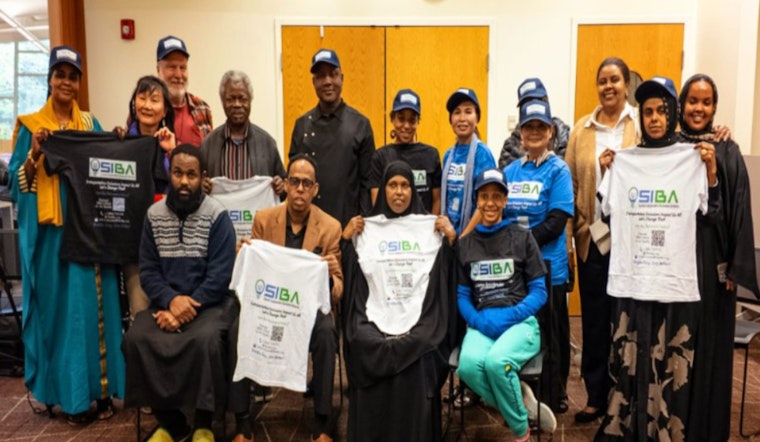
According to a report from the Washington Department of Ecology, older adults in these pollution-heavy communities are also twice as likely to die from health conditions that are directly attributed to the insidious influence of airborne fine particles. To tackle these grim statistics, the Ecology has partnered with the Somali Independent Business Alliance (SIBA) to spearhead a project in South King County, focusing on vehicle emissions reduction and community education as critical tenets.
SIBA has taken a tailored approach to community engagement by crafting educational materials about air pollution, culminating in a robust pollution reduction plan. The materials were thoughtfully translated into 17 languages to effectively reach the mosaic of cultural communities in the region. In a statement obtained by the Department of Ecology, SIBA Executive Director Nafiso Samatar underscored the transformative impact of making information relatable, noting, "But once the information was made relatable, they deeply connected with it."
The initiative also aims to bridge the affordability gap in accessing cleaner transportation. Samatar has emphasized the need for increased incentives and funding to assist residents in acquiring zero-emission vehicles and enhancing public transit infrastructure. Samatar told the Department of Ecology, "Across the area, people shared concerns about affordability and the high cost of electric vehicles compared to gas cars." This sentiment echoes the broader necessity for economic considerations to be factored into environmental interventions.
Underpinning these clean air investments is a robust support of science and monitoring. A comprehensive analysis by Ecology and the Washington Department of Health has paved the way for an expanded air monitoring network, allowing the state to closely track improvements in air quality. Kathy Taylor, Ecology’s Air Quality program manager, recognized in an official statement the intricate layers of scientific, regulatory, environmental, and community health work converging in these efforts, emphasizing the critical nature of data in steering these initiatives.





