

























































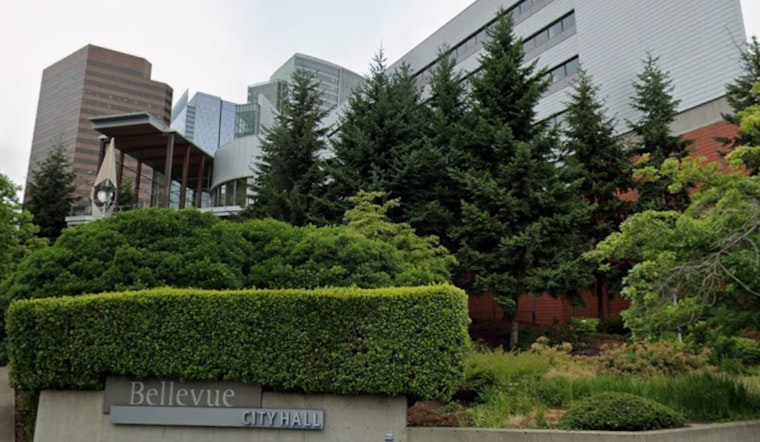
The City of Bellevue has cemented its commitment to a greener future, as the City Council unanimously passed the 2026-2030 Sustainable Bellevue Plan. This update to the original plan adopted in 2021 intensifies the city's efforts to hit carbon neutrality by 2050. The plan lays out a robust strategy focusing on climate change, energy and buildings, land use mobility, waste, and natural systems, aiming to bolster sustainability in both the community and city operations, as per the City of Bellevue.
Key initiatives include expanding the Energy Smart Eastside program and pushing for building decarbonization and city vehicle fleet electrification. While in session, council staff mulled over the financial roadmap—cost estimates, revenue streams—setting the stage for in-depth budget discussions come the 2027-28 cycle. The details of this plan, alongside a full recorded discussion, are up for public viewing on Bellevue Television.
On the legislative front, changes were made to Bellevue's 2026 State Legislative Agenda. The council hopes these revised points, which cover affordable housing, digital permitting, and transit solutions, will resonate in the January 2026 session of the Washington State Legislature. Issues like tax proposals potentially harming state competitiveness, requests for state support on the Grand Connection Crossing project, as well as advocating for more control at the community level to address local needs, marked the amendments to the agenda.
Bellevue's Mini City Hall has been in the spotlight as well, following a 10-year lease approval and a state grant that culminated in an upgraded facility, which opened in May 2024, just in time for the program's 30th anniversary. The revamped space has sprouted new partnerships and better access to critical services—child care, employment assistance, and digital literacy support, among them. Even with over 49,000 requests in 2024 alone, city hall staff report an uptick in complexity and volume, especially for services tied to financial insecurity, affordable housing, and health care access.



