

























































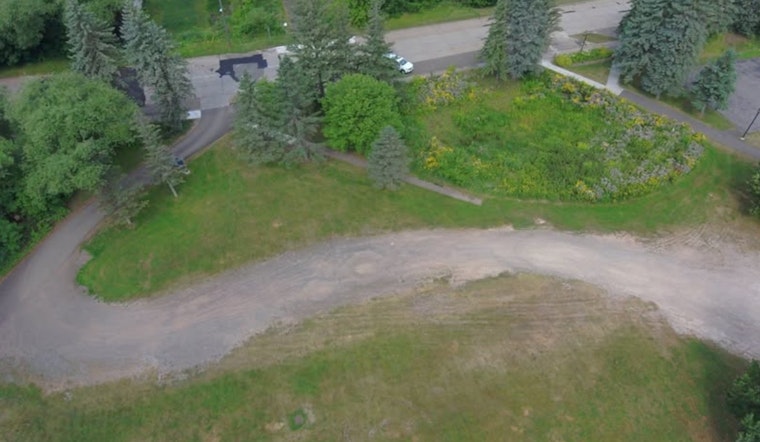
The City of Duluth is nearing the finish line on an innovative environmental project at Irving Park designed to better manage and purify stormwater runoff before it reaches natural water bodies. As reported, the stormwater bio-filtration basin, tucked into the Irving Park neighborhood at 20 South 57th Avenue West, has reached a substantial completion milestone, working to filter out the environmental detritus swept along by rainfall from hard, unforgiving urban surfaces.
Traditionally, rainwater gushes over impervious surfaces, such as asphalt and concrete, collecting pollutants like sediment, litter before crashing into the city's stormwater infrastructure. What this does is it essentially sets up a direct and dirty line to Duluth's nearby waterways. The new installment in Irving Park aims to interrupt this process, positioning itself as a bulwark against contamination on 17 acres of cityscape-turned-watershed. The entire operation is pinned on an underground vault that will corral sediment and trash, kept in check by diligent Public Works and Utilities staff from the City of Duluth, who will periodically cleanse this subterranean trap.
This bio-filtration system is more than a mere trap; it's lined with a natural selection of native vegetation along with a blend of biochar and iron filings, elements chosen for their prowess at scrubbing water clean of bacteria, nutrients, and other unsavory elements that otherwise would spill unabated into Keene Creek. According to the City of Duluth official release, Keene Creek, a trout stream with a runway through Irving Park, stands to benefit considerably from cleaner inflow cycled through the new bio-filtration basin once it's fully operational.
Further enhancements are on the 2026 horizon, namely the planting of perennial native vegetation and trees, and the installation of educational signage designed to enlighten the public on the system's purpose and benefits. Only after these green additions have taken root will the city divert stormwater into the basin, initiating its maiden voyage in environmental protection. Sources indicate that the initiative received funding through multiple avenues, including The Great Lakes Commission's Great Lakes Sediment and Nutrient Reduction Program, the United States Army Corps of Engineers 569 Program, and the City of Duluth's very own Stormwater Utility Fund, a joint venture reflective of a broader commitment to safeguarding our shared natural resources.
As Duluth anticipates the spring of 2026, the community looks forward to the full implementation of its stormwater bio-filtration basin, with an eye on preserving the ecological integrity of Keene Creek and the broader Great Lakes watershed. For more information on this project and its expected impact, you can review the official release from the City of Duluth on their website.





