

























































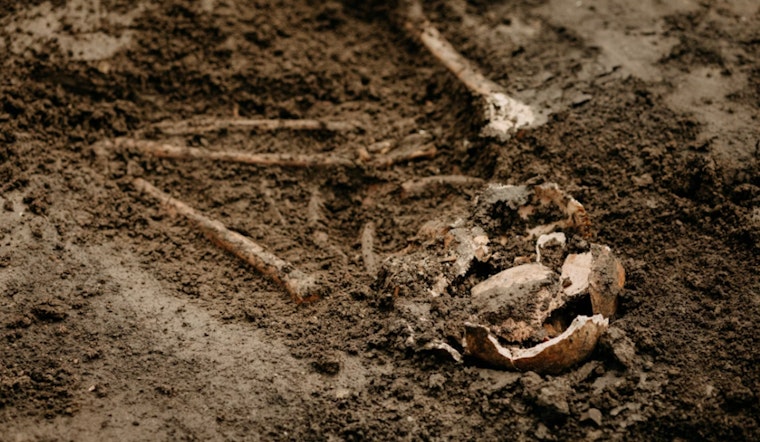
In Maricopa County, the quest to restore identities to John and Jane Does is an ongoing battle, with technology and diligence at its core. According to a recent report by FOX 10 Phoenix, there are currently 235 active cases of unidentified remains, a figure that has grown despite efforts by local authorities and forensic artists like Stephen Missal. Missal, who is tasked with sketching faces from skeletal remains, noted the complexity of such work, stating, "And then sometimes you get a skull with like, a bullet hole, and you think about the last moments." Yet the identification team, including Deputy Chief Medical Examiner Dr. Bridget Eutenier and Senior Medicolegal Death Investigator Kristen Eggers, has seen success, resolving over 2,700 cases from 2023 through September 2025.
Recent progress in these cold cases has been bolstered by investigative genetic genealogy, as seen in the identification of a Phoenix John Doe case from 2004. Found unconscious on a sidewalk and later pronounced dead, the man remained nameless for two decades. In September 2024, Maricopa County partnered with the Ramapo College Investigative Genetic Genealogy Center, forwarding DNA to be sequenced and analyzed. Students and staff pieced together familial connections, eventually leading to the identification of John Thiellesen. Overjoyed by the collaboration between Ramapo College and Maricopa County, Eggers expressed gratitude: "Their tireless efforts have provided answers to countless families and demonstrates an unyielding dedication to the welfare of all people, regardless of their circumstances."
While the dry heat in Arizona presents challenges for identification due to rapid decomposition, advancements in technology such as forensic genealogy and facial recognition are changing the game. The state holds events like "Missing in Arizona Day" to engage the community and provide assistance in these efforts. Taking place this year on October 18 at ASU’s West Valley campus, the event invites the public and families of the missing to connect with officials, striving to bring some closure to those with lingering questions.
The investigative success in Arizona showcases a broader national trend of collaborative efforts to solve cold cases. The Arizona Attorney General's Cold Case Unit, working alongside agencies like Ramapo College, is making significant strides. According to Arizona Attorney General Kris Mayes, shared in a statement obtained by Ramapo College's press release, these efforts continue to offer hope: "I’m proud of the work our Cold Case Unit is doing to bring answers and closure to the family members of missing and murdered Arizonans. With increased technology, and the right kind of cooperative approach between law enforcement agencies, there is hope for the loved ones of countless victims."





