

























































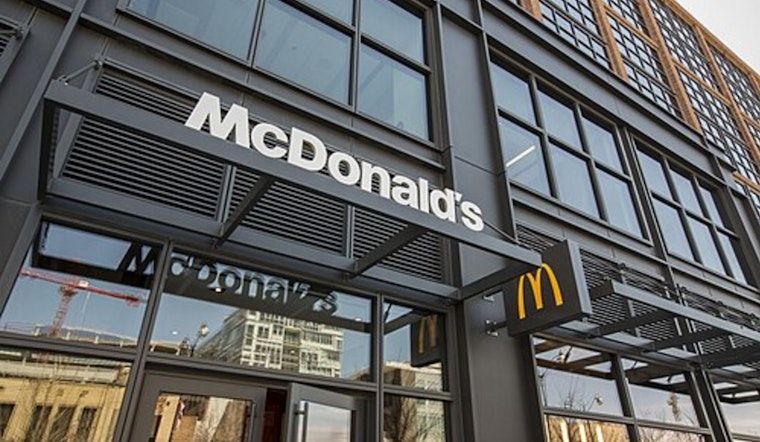
For those opting to use cash at McDonald’s, prepare for a minor shift in receiving your change. The fast-food giant has acknowledged an ongoing shortage of pennies nationwide, influencing transactions in certain locales. "Following the discontinuation of pennies nationwide, some McDonald’s locations may not be able to provide exact change," a statement from McDonald's USA sent to NBC Chicago explained. The company assured customers that it is seeking sustainable solutions to minimize disruptions.
The domino effect of President Trump’s decision to cease penny production manifests as a company-wide directive, ushering in rounding practices to the nearest five cents for cash transactions, an adjustment already noticeable at some Illinois franchise drive-thrus. Reported by WGN-TV, an image making social media rounds displays the policy update, with customers being urged to either pay with cashless methods or accept rounded totals as a temporary norm.
While the issue spans all cash-handling sectors, the penny scarcity has driven retailers to innovate to conserve their dwindling reserves. Giant Eagle supermarkets, for instance, are offering a promotion where customers can exchange pennies for gift cards worth double the coin value, as cited by WGN-TV. Other convenience store chains have engaged in similar tactics, including Sheetz, which proposed a soda giveaway in exchange for penny donations.
The decision to halt penny production stems from economic considerations. The U.S. Mint spent 3.7 cents to manufacture a penny in 2024, far exceeding the coin's actual worth. The government anticipates saving $56 million by eliminating the need to mint new pennies. But with this strategic cutback, federal authorities have left a void in clear directives, with entities like the National Association of Convenience Stores voicing concern. "We have been advocating abolition of the penny for 30 years. But this is not the way we wanted it to go," Jeff Lenard conveyed in a statement obtained by NBC Chicago, articulating a desire for governmental clarity on handling the ensuing complications.
The nuanced implications of this change extend to the legal sphere as well. In several states and cities where pricing parity laws exist, rounding up transactions may violate consumer protection regulations, prompting some retailers to choose to round down to dodge potential lawsuits. This practice, though seemingly minuscule, may cumulatively inflict financial strain on businesses, with Kwik Trip anticipating a loss of approximately $3 million due to such adjustments. The broader retail sector earnestly waits for standardized instructions to navigate these uncharted economic waters in a post-penny era.




.jpg)