

























































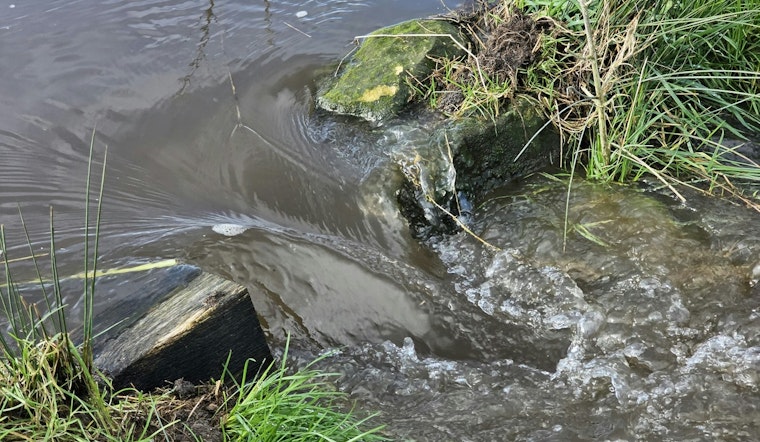
The Washington Department of Ecology and the U.S. Environmental Protection Agency have handed down penalties to both Seattle and King County for breaching the terms of their water quality permits and federal consent decrees concerning sewer overflows. According to a statement released by the Washington Department of Ecology, the infractions took place throughout the year 2024, with Seattle accruing a $35,000 fine for multiple sanitary sewer overflow events, and King County facing a $52,500 penalty for issues at its wet weather treatment stations and other compliance shortcomings.
These fines stem from discharges that are not just administrative oversights but have tangible impacts on the environment. Untreated or inadequately treated sewage can contain bacteria and other pollutants, posing health risks for people and wildlife alike. Combined sewers, which handle both stormwater and sewage, can overflow during heavy storms, despite laws requiring the limitation of untreated sewage into bodies of water like rivers and Puget Sound. The city and county own and operate different portions of the sewage infrastructure, and are continuing efforts to ameliorate water quality, working to address and rectify such overflows.
Both the Ecology and the EPA will evenly split the collected penalties. Monies funneled to Ecology will bolster the state’s Coastal Protection Fund, a fiscal reservoir aimed at assisting public agencies and Tribes with water quality restoration initiatives. The fines are in accordance with consent decrees stemming from 2013 agreements to rectify historical combined sewer overflow violations. However, updates to these decrees now afford Seattle and King County extended timelines for developing larger, more climate-resilient projects, with the deadline for controlling all outfalls extended from 2030 to 2037.
Under the revised agreements, prioritization will favor projects in the Lower Duwamish area. The consent decree modifications, which took effect earlier this year, reflect a greater flexibility to adapt strategies in response to emerging information or potential collaborative ventures. As pointed out by the Department of Ecology, this move is part of continued efforts to confront the challenges of climate change and its inevitable impact on urban infrastructure.





