

























































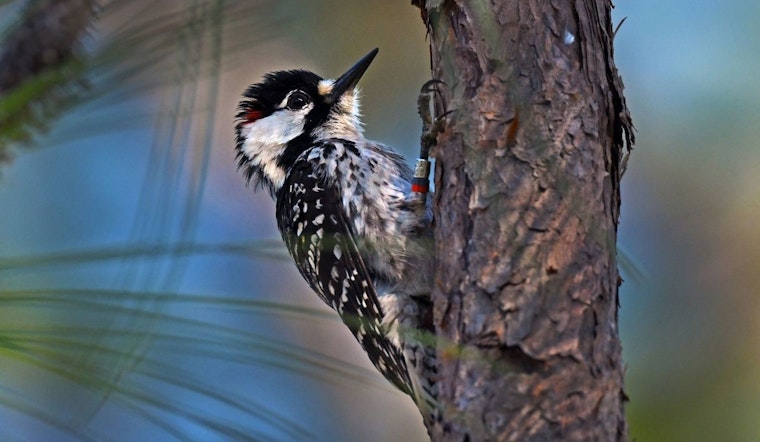
Tennessee is making moves to bring back the Red-cockaded Woodpecker (RCW) through a joint effort by state and federal wildlife agencies. The species, which bid adieu to the state back in 1994, is set for a comeback thanks to the Tennessee Wildlife Resources Agency (TWRA), the Tennessee Department of Environment and Conservation (TDEC), and the United States Fish and Wildlife Service (USFWS). The last sighting, a solitary RCW, was near the Cherokee National Forest over three decades ago.
State officials are tooting the horn of collaboration and long-term vision, as announced in a recent statement. "The return of the Red-cockaded woodpecker is not just a biological milestone—it’s a triumph of collaboration for all Tennesseans," said Governor Bill Lee, according to a statement on the TWRA website. The reintroduction process is a multifaceted affair, involving habitat restoration and the transfer of RCWs from other states, with a sharp eye on the target year of 2028 to see birds back in Tennessee skies.
The reintroduction effort took shape through TDEC’s land restoration project, originally designed to protect the white fringeless orchid. Spanning roughly 1,200 acres, the site offered ample space for another species’ return — the red-cockaded woodpecker. The initiative reflects a model of cross-border collaboration, funded through both state and federal sources to restore and sustain suitable habitat for the RCWs.
Not just a win for Tennessee's diverse landscape but, also an economic boon, as TDEC Commissioner David Salyers emphasized. "Restoring the habitat in the Savage Gulf State Natural Area is another example of Tennessee leading the nation in balancing effective conservation and economic growth," he said, reports the TWRA news release. A restored ecosystem means more than just birds, it’s a benefit for recreation, tourism, and the environment.
“The goal of bringing back a species is a career highlight for many of us. Typically, when a wildlife species is lost, it is too lofty a task to restore all the pieces needed to bring it back. This restorative work through unparalleled partnership is something we can all celebrate and find pride in,” he said in the TWRA announcement. The USFWS also chimed in, with their RCW specialist, John Doresky drawing parallels to a home restoration when explaining the goal behind the RCW project in Tennessee. This initiative is more than just about birds—it's about stitching back a critical piece of the regional ecosystem tapestry.
For those looking to fluff the nest of this initiative, information and support options are available on the partnership's webpage.




