

























































The Utah State University's Utah Women & Leadership Project (UWLP) has released new findings on the dynamics of cosmetic surgery and body image among women in Utah. The research brief titled "Cosmetic Surgery and Body Image Among Utah Women: A 2025 Update" sheds light on the impacts of cultural, social, religious, and personal factors on the perceptions and reality of cosmetic procedures within the state, according to USU Today.
Unsettling statistics accompany the modern beauty paradigms in Utah, with a reported 96% of girls aged 14-19 experiencing cyberbullying based on appearance and 92% considering alterations to their bodies through diet, exercise, or surgery. The report underlines the potent mix of societal expectations, intimate circles of family and peers, and the omnipresent influence of social media on young minds.
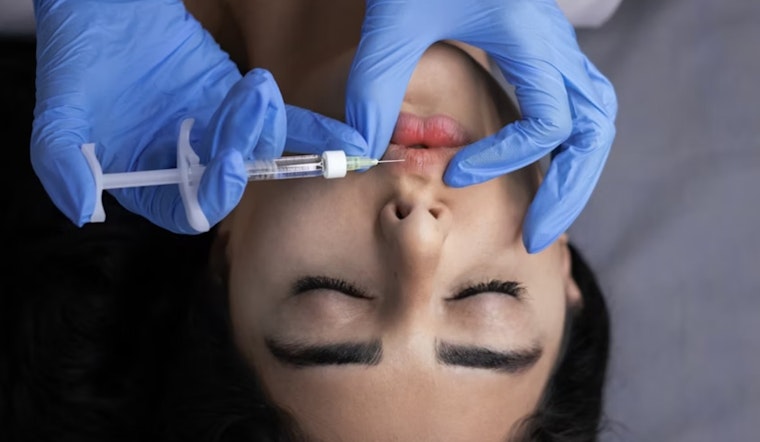
Data on cosmetic surgery in the U.S. shows a 19% increase in surgical procedures and over 70% rise in minimally invasive ones like Botox and fillers, between the years 2019-2022. The spotlight shines bright on Utah for its high interest in cosmetic procedures, leading the nation in Google searches for "breast augmentation" and "boob job" and ranking 10th for the number of active plastic surgeons per capita.
Demographic information provides insight into why Utah might have a skew towards elective cosmetic procedures. With 80.7% of the state's residents being White and nearly half identifying as members of The Church of Jesus Christ of Latter-day Saints, a homogenous culture seemingly heightens the social pressures to conform. Larger household sizes and higher fertility rates, combined with an emphasis on marriage and motherhood in Utah, also contribute to the state's trends in cosmetic surgery, such as the popular "Mommy Makeovers."
While cosmetic surgery has potential benefits for self-esteem, the UWLP's report emphasizes the need to address deeper body image issues. Local initiatives like Dove's Self-Esteem Project, Girls on the Run, and the UWLP's own Beauty Redefined workshops aim to bolster media literacy and foster body acceptance. UWLP founding director Susan Madsen emphasizes that real change requires tackling the systemic factors driving body dissatisfaction, stating, “Efforts to improve body image in Utah must go beyond surface-level fixes to address the systemic influences that drive body dissatisfaction,” as reported by USU Today.





