

























































They were the kids scrambling up the giant jungle gym at Celebration Park and ratting each other out for pranks. Now, a tight-knit group of Allen High School classmates is trying to square the boy they grew up with, Joshua Jahn, with the man who opened fire on a Dallas Immigration and Customs Enforcement field office on Sept. 24 from a nearby rooftop. The attack left two detainees dead and a third wounded, and friends say the way Jahn drifted into an increasingly online, isolated life has them searching for answers they may never fully get.
Friends Recall An 'Edgy' Teen
Anthony Gorczyca and eight former classmates told The Dallas Morning News that Jahn was the daredevil of their crew, the one who pushed limits, hunted down fringe websites, and over time, pulled back from offline friendships into a largely solitary internet life. They shared photos and videos with the paper and described what now feels like a slow unraveling, with warning signs they wish they had recognized earlier. For them, the shooting is not just a shocking public crime but a private rupture that has upended years of shared history.
What Happened At The ICE Office
Federal officials say a gunman opened fire from a nearby rooftop at the Dallas ICE field office on Sept. 24, striking a transport van at the facility's sally port and triggering a massive law-enforcement response, according to AP News. Authorities later identified the shooter as 29-year-old Joshua Jahn and said three detainees were hit by gunfire. Two of those detainees died, and a third was hospitalized. Officials said Jahn died from a self-inflicted gunshot and that no ICE officers were injured in the attack.
Evidence Of A Targeted Attack
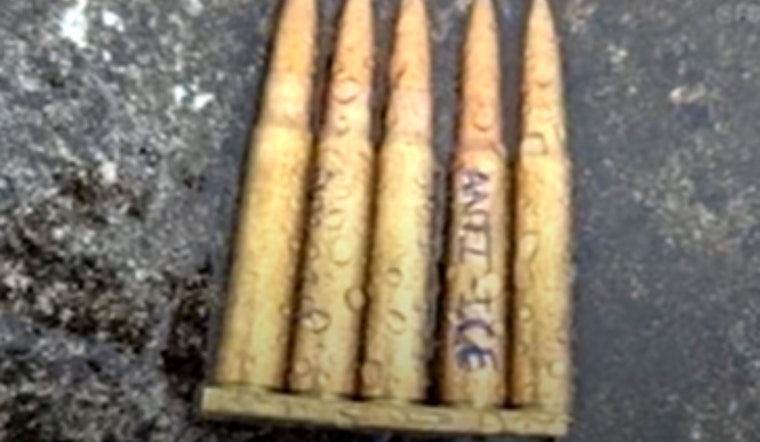
Investigators recovered unfired rounds near Jahn, and one casing was stamped with the words "ANTI-ICE," a detail publicized by the FBI and reported by Reuters. Officials also said they found handwritten notes and internet searches suggesting Jahn had studied Department of Homeland Security facilities and tools that could be used to track ICE movements. Taken together, law enforcement officials described the evidence as pointing to premeditation. The FBI is leading the probe and has called the shooting an act of targeted violence while the investigation remains active.
Friends Grapple With Online Influences
Gorczyca and other friends say they keep coming back to the same online subcultures their group first stumbled into as teenagers: anonymous message boards, shocking videos, and influencers who build followings by trading in outrage. They see those spaces as part of the backdrop for Jahn's later isolation. Recalling one adolescent prank, Gorczyca told The Dallas Morning News, "He thought it was funny. He thought it was cool." Mental-health professionals quoted in that reporting said such online environments can deepen despair for men who already feel directionless, a pattern the friends say they now recognize in hindsight.
Local Disruption And Response
In the days after the shooting, the field office on Stemmons Freeway remained closed, and people who showed up for routine check-ins were turned away while investigators secured the scene, NBC DFW reported. Federal authorities ramped up security at Department of Homeland Security facilities nationwide as the FBI, ATF, and local police combed the Dallas site for evidence. Community groups and local leaders, meanwhile, called for support for the victims' families and pressed for more transparent information as the investigation moves forward.
Investigation And Legal Framing
Prosecutors and federal agents treating the shooting as a planned attack have released details that, according to national reporting by wire services, suggest Jahn intended to terrorize ICE employees. His death means there will be no criminal trial, but investigators are still pulling together evidence about motive, planning, and any possible wider connections. Officials say whatever they learn will help determine how security resources are deployed and whether additional protective measures are ordered for similar facilities.
For Jahn's Allen friends, the hardest work is more intimate: trying to reconcile their childhood memories with the accumulating evidence of planning and keeping one another steady as they do it. They say they want to see more conversations about access to mental-health care, how young men look for belonging online, and how communities can spot trouble earlier. In their view, those small local efforts could be one way to keep a private spiral from turning into yet another public tragedy.





