

























































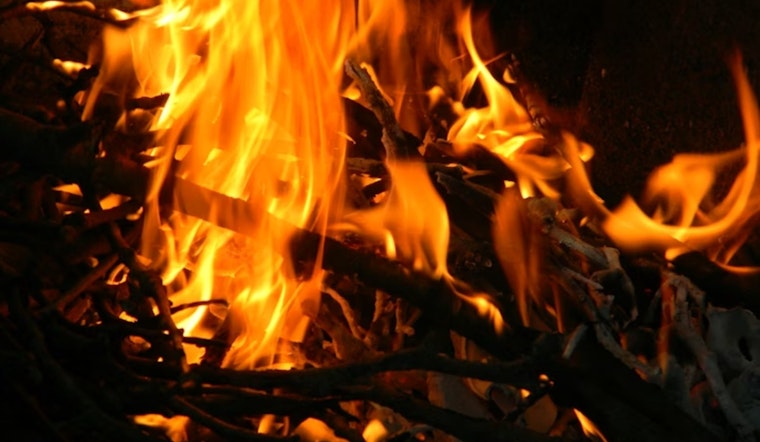
The Bay Area Air Quality Management District has declared a Spare the Air Alert for both Wednesday, November 26, and Thanksgiving Day due to high levels of wood smoke pollution, according to an announcement on their website. With winter setting in, these are the first alerts of the season banning the burning of wood, manufactured fire logs, and any other solid fuel both indoors and outdoors across the Bay Area. As residents prepare for the holiday, they'll have to skip the coziness of a wood-burning fireplace or the charm of an outdoor fire pit, as health officials aim to maintain air quality and public health.
Static weather conditions with light winds and a high-pressure system are creating a scenario where smoke is effectively trapped at ground level, much like a lid clamping over a pot, simmering its contents. Adding to the region's concerns, offshore breezes are expected to sweep pollution from the Central Valley into the Bay Area, thus exacerbating the situation. According to the Bay Area Air Quality Management District, these conditions lead to elevated pollution levels that pose a health risk, particularly to vulnerable populations, including children, the elderly, and individuals with respiratory conditions.
It is now illegal, during a Spare the Air Alert, to use wood-burning devices, a move that is exacerbated by the recent update from the Air District that lowered the alert-triggering threshold for fine particulate matter. Homes that have no alternate heating sources, except for wood-burning devices, may be exempt, but only if the device is an EPA-certified or pellet-fueled one registered with the Air District. This revision aims to initiate alerts earlier, in the hope of curbing air pollution before it reaches harmful levels, especially for those with pre-existing health issues.
Bay Area residents are encouraged to turn to alternative heating sources, such as natural gas, propane, or electric fireplaces, during these alerts to stay warm without contributing to air pollution. Violators found to be ignoring these restrictions face a $100 ticket, unless they opt for a wood smoke awareness course, while repeated violations result in escalating fines.



