

























































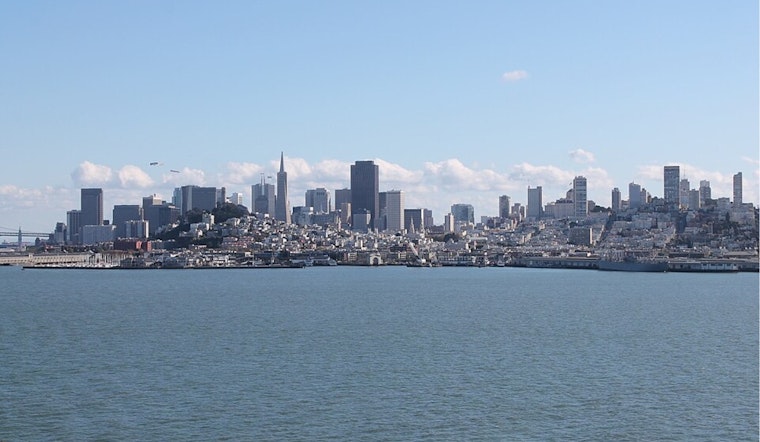
Bay Area residents can expect a break from the recent wet weather, as a warming and drying trend is expected to take hold through Monday, according to information from the National Weather Service (NWS) in San Francisco. The forecast calls for clearer skies and above-average temperatures until the middle of next week, when rain is slated to return. From the sun-drenched beaches to the bustling city streets, locals will momentarily bask under a high-pressure ridge, granting respite from the rain-soaked days.
Despite the pleasant shift, some challenges persist as the region continues grappling with tidally influenced coastal flooding, the residual effects of last week's Supermoon. The NWS warns of hazardous beach conditions remaining active through Saturday morning, with advisories in place advising people to steer clear of the ocean's unpredictable behavior. Beachgoers are urged to stay alert due to the ongoing risks of sneaker waves and rip currents, a situation potentially exacerbated by the high tides, according to the National Weather Service.
Looking ahead, the warm weather will be challenged by another Pacific weather pattern shaping up to bring rain and potential thunderstorms by late Wednesday and into the later part of the week. "The most intense rain is expected late Wednesday and Thursday, along with a slight chance for thunderstorms," according to the NWS San Francisco forecast. The coming wet weather is associated with a deep trough developing over the northeastern Pacific, which will likely impact the West Coast with increased rainfall amounts and an elevated risk of flooding and landslides.
Moreover, mariners and coastal residents are advised to prepare for changes in marine and aviation conditions as the weather shifts. VFR conditions are anticipated for most areas under the offshore flow, yet forecasters expect fog to limit visibility for North Bay airports through the mid-morning hours. The maritime community should prepare for rough seas and fresh southerly breezes as the next storm system moves in mid-week, the latest Area Forecast Discussion suggests.



.jpeg)