

























































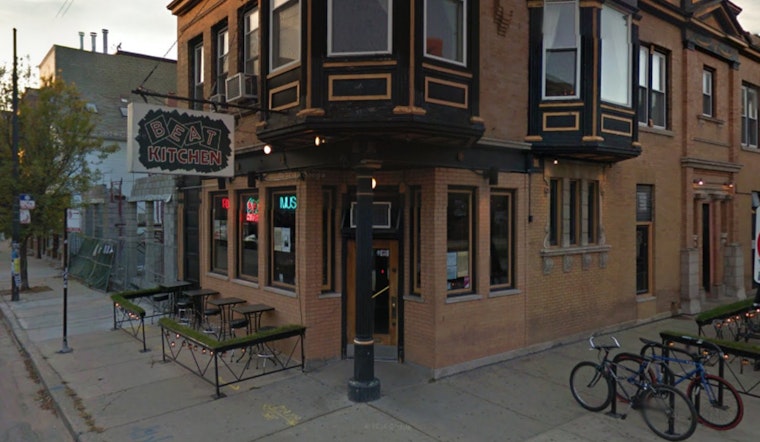
Robert Gomez, the Chicago restaurateur behind Beat Kitchen and Subterranean, says City Hall quietly pushed his Riverwalk outpost out after he poured money into the space, built a patio and ran utilities beneath Lower Wacker. He has now filed a lawsuit that aims to void the new lease on the kiosk and recoup what he describes as lost revenue and investment, putting the Riverwalk’s vendor process under fresh scrutiny from neighbors and local officials.
FOIA Records Show Owner Did The Heavy Lifting
Documents obtained by Gomez and reviewed by Illinois Policy state that Beat Kitchen’s team installed the plumbing, electric and water lines themselves after the city initially said utilities would be provided. The same records say the restaurant also spent roughly $70,000 on patio furniture.
According to those documents, Beat Kitchen’s five-year lease expired in November 2023, and a new bidding process did not open until March 2024. Gomez argues that gap kept the kiosk dark during prime season, even after his group had finished the buildout and utility work.
Lawsuit Claims A Quiet End Run Around Rules
Gomez sued the city after learning, he says, that the Riverwalk selection committee reached out to a different vendor who had not applied for that exact spot on time, according to NBC Chicago. The outlet reported that the first civil hearing in the case was held in August.
NBC Chicago also noted that Gomez says his team invested more than $600,000 in the Riverwalk location. His attorney, Bill Klinger, called the city’s handling of the contract process “egregious.”
City Keeps Quiet On Pending Court Fight
The city has declined to wade into the details. A spokesperson told ABC7 it does not comment on pending litigation.
In previous public materials, the city has said that Riverwalk bids are structured to foster competition and benefit Chicagoans. Gomez, however, argues that the process in his case lacked clear oversight and did not offer a meaningful way to appeal the outcome.
Numbers From FOIA Raise Eyebrows
Records released under the Freedom of Information Act and detailed by Illinois Policy show that Gomez’s proposal reportedly offered about $1.4 million to the city over five years. The winning applicant’s bid, according to those same documents, was roughly $52,000 for the same period.
The FOIA materials also state that the selection committee had six members, including three from the department that oversees the Riverwalk. While the city delayed its decision, Gomez continued to cover about $180,000 in operating costs tied to the Riverwalk site, the records show.
Why This Riverwalk Dustup Matters
The Riverwalk is a heavily trafficked public space, and the city’s decisions on who gets to operate there directly affect both visitor experience and municipal revenue. Chicago officials have already pushed for clearer rules around leasing along the river.
Ald. Gilbert Villegas and others have called for more transparency in how Riverwalk contracts are awarded, a concern highlighted in reporting by NBC Chicago. The outcome of Gomez’s case could spur changes in how the city runs Riverwalk procurement in the future.
What Comes Next In Court
The lawsuit remains active. If a judge sides with Gomez, the case could force additional public disclosure of selection documents and internal deliberations about the Riverwalk lease, according to ABC7.
For now, both the city and the new vendor named in the suit are keeping their statements brief and have declined detailed comment, ABC7 reported. The fight serves as a reminder that when private money flows into public spaces, murky procurement rules can quickly turn a riverfront dream into a legal slog.





