

























































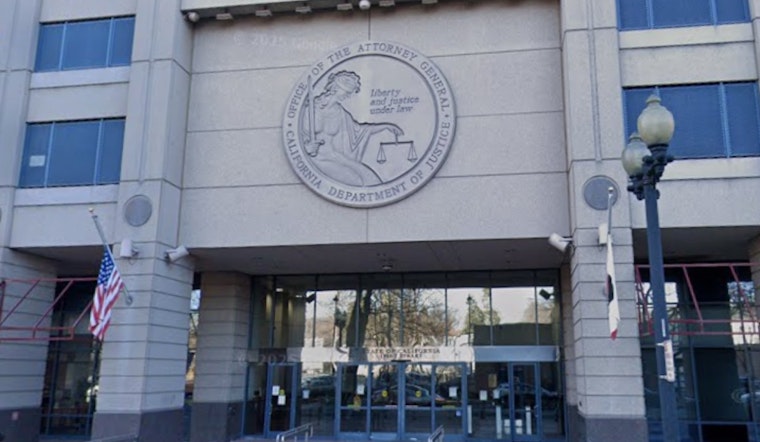
California Attorney General Rob Bonta just scored a big win in federal court, securing a judge’s permission for California and a coalition of state attorneys general to jump into the U.S. Department of Justice’s controversial settlement over Hewlett Packard Enterprise’s proposed $14 billion takeover of Juniper Networks. The order gives Bonta and a dozen fellow attorneys general a formal seat at the table in the Tunney Act review of the deal, opening the door to requests for records, public hearings, and potential efforts to slow or pause the tech giants’ integration while the court decides whether the settlement really serves the public interest.
Court greenlights state participation
In a statement posted by the Office of the Attorney General, Bonta announced that the U.S. District Court for the Northern District of California allowed "California and 12 other attorneys general to intervene” and said his office is “ready to step in and stand up for fairness, transparency, and the integrity of government.” According to the release, the decision means the states can participate directly in the court proceedings that will evaluate whether the Justice Department’s settlement is truly in the public interest, rather than watching from the sidelines.
Why the states moved
The states decided to intervene after reports that DOJ trial attorneys and senior antitrust staff had initially opposed the settlement, and that internal political pressure at the department preceded a sudden shift in position, leaving the deal open to questions about undue influence, according to Daily Journal coverage of the filings. In their multistate motion, the attorneys general argued that without sovereign state participation, the Tunney Act process risked becoming a one-sided review that tilted in favor of the settlement's supporters. Colorado, New York, Washington, and other states joined California in pressing for a full airing of the facts.
What the DOJ proposed
The Justice Department’s proposed final judgment, made public in June, would require HPE to divest its Instant On campus and branch business and license Juniper’s Mist AI Ops source code as part of a remedy package aimed at preserving competition, according to the Department’s filing in the Federal Register. Those divestitures and licensing commitments have since become the center of attention for industry voices, lawmakers, and advocacy groups, who are weighing whether the settlement does enough to protect consumers.
What the states can now do
With the court’s go-ahead, the states say they can seek access to records, push for open Tunney Act hearings, and ask a judge to halt or delay aspects of the companies’ integration while the review plays out, the California Attorney General’s office said in its statement on the Office of the Attorney General. Bonta cast the move as an effort to ensure that “the public interest, not private influence, guides the outcome.”
Next steps
The motion to intervene had been set for a November 18 hearing in Courtroom 8 of the federal courthouse in San José, and Tuesday’s order now places the states squarely on the docket for follow-up proceedings in the Northern District of California, according to the case filing on Midpage. From here, the states have room to press for an evidentiary Tunney Act hearing, a relatively rare public examination of whether a government-approved settlement truly protects consumers, and the outcome could determine how far HPE and Juniper can go in integrating their operations while the litigation continues.



