

























































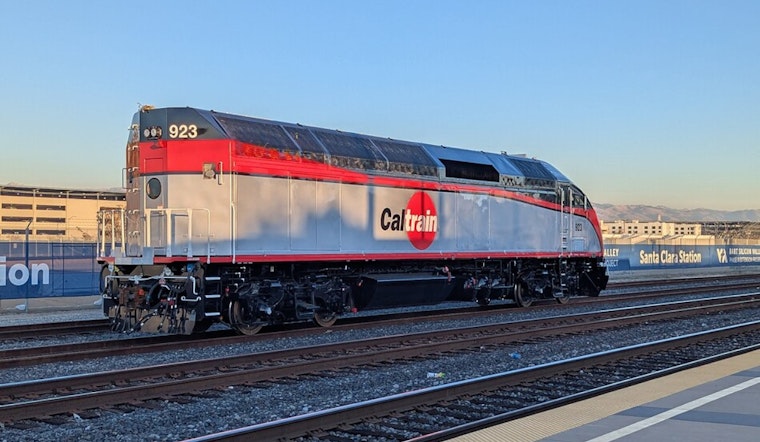
Caltrain laid out harsh contingency plans today that would dramatically shrink rail service across the Peninsula if it cannot secure a new, sustained funding source. Options sketched by the agency include eliminating weekend service, cutting many trains to an hourly schedule, ending daily operations by 9 PM, and closing more than one‑third of stations, changes that would reshape commutes for tens of thousands of riders.
Caltrain had warned earlier this year that it faces a structural operating shortfall of approximately $75 million annually between fiscal years 2027 and 2035, according to Caltrain. The agency also posted scenario materials today that outline a range of options and near-term projections.
What the scenarios would mean for riders
Under the most severe option, the schedule would shrink to hourly service at many stations, weekend trains would be eliminated, nightly operations would cease by 9 p.m., and dozens of stations could be closed. The agency’s scenario materials show a $31 million shortfall by Oct. 1, 2028 and nearly $50 million by Oct. 1, 2032 under current assumptions. The materials indicate that these steps would produce savings while also "bring net savings," but would trigger a "significant loss of riders and rider‑related revenue," including farebox and parking, according to Caltrain’s post.
Scenario Planning: Preparing for Budget Shortfalls pic.twitter.com/FlJnnomWru
— Caltrain (@Caltrain) November 6, 2025
Why Caltrain says this is on the table
Officials point to lingering shifts in travel patterns and an operating model that once relied heavily on daily commuters. Despite recent ridership gains tied to electrified service, long-term gaps remain, as reported by Progressive Railroading. Local coverage noted that Caltrain adopted an FY2026 budget using one‑time state and regional funds and internal savings to hold service steady while the agency looks for a durable funding source, according to Hoodline.
What comes next
The scenario materials are advisory, serving as a way to illustrate to elected officials and regional partners what deep cuts could look like if new revenue doesn’t materialize, and could inform upcoming board and regional funding discussions. The Caltrain board approved a FY2026 operating budget in June that preserved current service while identifying roughly $10.9 million in internal savings, according to Caltrain. Riders should expect further discussion at future board meetings and outreach from county and regional officials about possible funding options.
For now, the planning document is a blunt illustration of tradeoffs: save money and shrink the system, or find new money and keep trains running the way people have begun to rely on them. Caltrain says the scenarios are designed to stimulate policy discussions and clarify the stakes to the region’s elected leaders.





_MPI_MP36PH_at_Santa_Clara_(Dec_2024).jpg)