

























































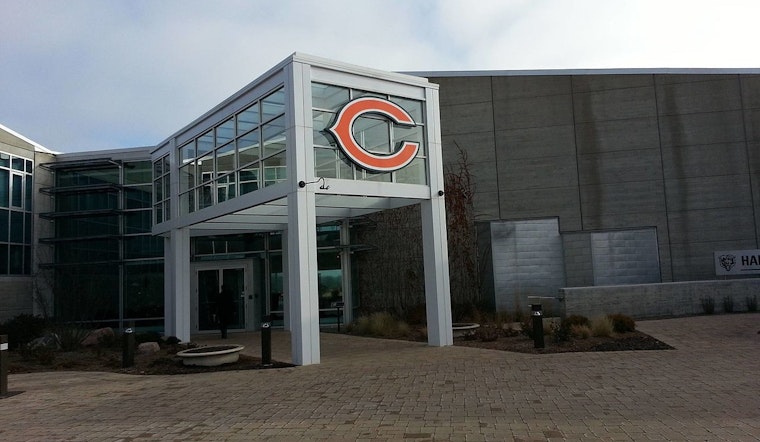
The Chicago Bears' push to break ground on a new stadium in Arlington Heights has run into a political timeout after lawmakers adjourned their fall session without taking up the measures the team needed. Team officials had been pressing to start construction before the end of 2025 on a roughly three‑year build that would position the franchise to bid for a Super Bowl as soon as 2031. With no vote this month, the timetable is now being pushed into next year while owners and lawmakers sort out taxes and infrastructure financing.
Funding gap and a tax freeze were the immediate hurdles
The team’s consultant report says the development would require major public infrastructure work — roughly nine hundred million dollars when counting roads, sewers, and rail tweaks — and a deal to freeze property‑tax assessments to make the district pencil out, according to The Washington Post’s summary of the HR&A study. Although the Bears say the stadium itself would be privately funded, the public‑side infrastructure aspect prompted resistance in Springfield.
Team timeline and what’s at stake
President and CEO Kevin Warren had urged a fast track, telling fans and officials the club hoped to begin work before the end of 2025 and finish in about three years so the Bears could bid for marquee events, Reuters reported. The franchise has identified the 326‑acre former Arlington Park site as its preferred location, and the team’s project site lays out the broader mixed‑use district the Bears envision as part of the build.
Pritzker and the Soldier Field debt question
Governor J.B. Pritzker has signaled he is not eager to underwrite a new stadium without addressing existing obligations tied to Soldier Field, and state officials have pointed to outstanding obligations connected to past renovations as a political sticking point. Local coverage notes the Illinois Sports Facilities Authority — which manages bonds tied to Soldier Field upgrades — still carries hundreds of millions in remaining debt, a figure reported at about $534.4 million. Patch reports that Pritzker has said the Bears should help resolve that issue before asking for additional state support.
What happens next in Springfield
Because no enabling language reached the floor this fall, the Bears' requests will have to wait until lawmakers reconvene. Local reporting says the team’s measure was not placed on the veto‑session agenda and that the legislature is now the earliest realistic forum for any property‑tax or infrastructure compromises in early 2026. See coverage of the recent pause and the next‑session prospects from WRE News and CBS Chicago for context on the political calendar and local negotiations.
Local stakes and the brief on timing
For Arlington Heights, the delay is more than a scheduling annoyance: village leaders and school districts have been negotiating tax and timing arrangements tied to the site, and those local deals carry deadlines that interact with any state action. Hoodline’s previous coverage of the Bears’ tentative tax agreement with Arlington Heights lays out the local timetable and the contingencies that matter to nearby residents and taxing bodies. Hoodline also reported on the tax memorandum of understanding that helped quiet one immediate dispute while the larger funding fight plays out, and Reuters has noted the Bears’ lease at Soldier Field runs through 2033 — meaning the franchise can’t simply walk away overnight without financial penalties.





