

























































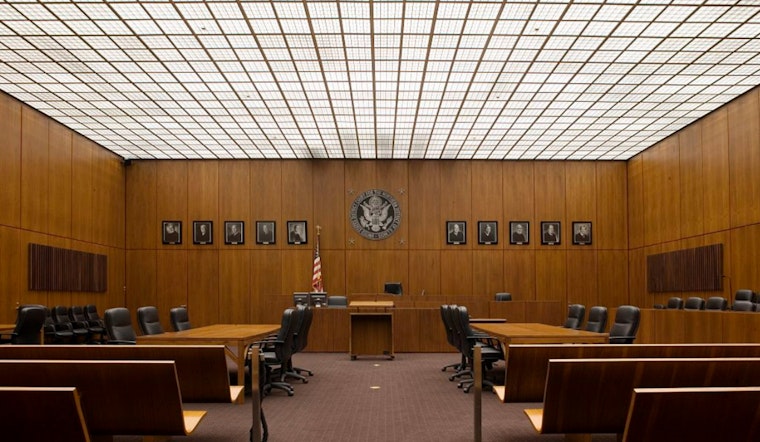
On Wednesday, a federal judge in Chicago weighed whether to extend restrictions that limit how immigration agents may use force in the region, hearing video and witness testimony from journalists, clergy, and protesters who say they were harmed during demonstrations. Plaintiffs told the court the footage shows repeated, unwarned deployments of chemical agents and direct physical confrontations that they say violated a short-lived order put in place last month.
As reported by AP, U.S. District Judge Sara Ellis issued a temporary restraining order in October barring federal agents from using riot-control weapons against journalists, protester,s and clergy unless there is an immediate threat, and she later modified the order to require activation of body-worn cameras when agents are engaged in enforcement activity. That modified order is set to expire on Thursday, and the hearingon Wednesday focused on whether those limits should be continued while the litigation proceeds.
Plaintiffs' attorneys told the court they would play videos and call witnesses, including footage from an incident in Evanston that they say shows agents clashing with protesters and pressing a man's head to the pavement as he cried "I can't breathe," according to ABC News. Other filings and footage presented to the judge include images of tear gas and pepper-ball strikes near schools and a pastor hit in the head, incidents chronicled in reporting by The Washington Post, which plaintiffs say show a pattern of unannounced crowd-control tactics.
Department of Homeland Security officials pushed back in court filings and public comments, saying agents have been "aggressively tailgated" and assaulted while operating in the city, and that attacks on officers have surged as much as 1,000%, the government said, according to ABC News. The administration argued that a handful of violent confrontations — including vehicles striking agents and protesters hurling rocks and fireworks — justify measured, nonlethal responses when officers face immediate danger.
Last month, Judge Ellis ordered Border Patrol commander Gregory Bovino to appear in court daily to account for his agents' actions — an extraordinary demand that a federal appeals court later paused, as reported by Reuters. Portions of Bovino's videotaped deposition may be played at Wednesday's hearing, and plaintiffs' lawyers told the court they plan to use those tapes to argue that more durable, enforceable limits are necessary.
Legal observers say Ellis could extend her temporary restrictions or convert them into a preliminary injunction, compelling agencies to keep body cameras on, hand over use-of-force reports, and limit certain crowd-control tools until the case is resolved. Reporting from earlier hearings shows she has already pressed agency leaders hard on compliance and sought written force reports, per WTTW.
Public-health experts and parents worry about the fallout when chemical agents drift into residential areas and school routes; doctors told reporters such exposures can aggravate asthma and cause acute respiratory symptoms, a concern outlined by The Washington Post. With Ellis due to decide whether her limits continue, advocates and newsrooms say the case will shape whether federal immigration enforcement can operate in Chicago neighborhoods without clearer rules about when and how force is used.
Ellis was expected to rule later Wednesday, and her decision could either lock in tighter restrictions on federal tactics or allow existing limits to lapse. Meanwhile, a separate class-action about conditions at a Chicago-area immigration facility is moving forward before U.S. District Judge Robert Gettleman, underscoring the broader legal pressure on DHS, according to AP.





