

























































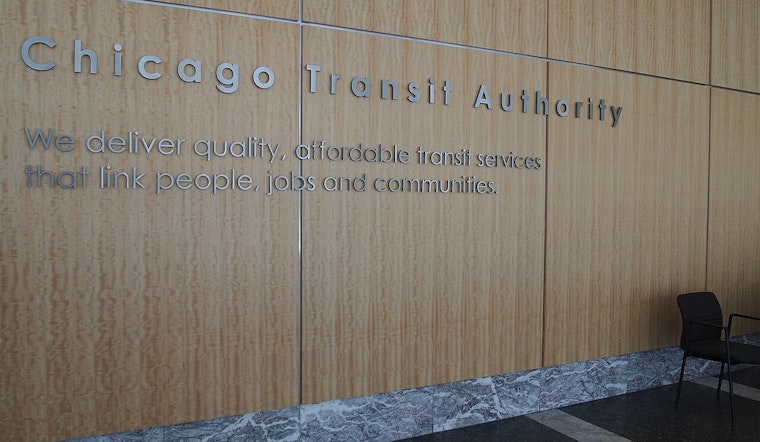
Chicago commuters received some much-needed good news when the Regional Transportation Authority (RTA) Chair Kirk Dillard announced there would be no fare hikes or service cuts for Chicago transit agencies in the upcoming year. This decision comes in the wake of a bill recently approved by state lawmakers, which is expected to be signed by Governor JB Pritzker, as reported by 25newsnow.com.
The RTA had a special session to discuss new funding projections for 2026 through 2028, thanks to the expected revenue from new sources outlined in Senate Bill 2111. Dillard expressed confidence, stating, "We will not see any layoffs pending our action today, and riders will not see fare increases, and instead, will continue to see service improvements." The RTA oversees three service boards — Metra commuter rail, Pace Suburban Bus, and the Chicago Transit Authority — all set to finalize their 2026 budgets without the need for the fare increases previously anticipated.
Not only does the bill stave off service disruptions and employee layoffs, but it also injects $1.5 billion in additional funding for public transportation statewide, shared by CBS News Chicago. It achieves this by dedicating sales tax revenue from motor fuel purchases and interest from the Road Fund to public transportation. Additionally, starting in 2026, legislative updates include reducing the fare revenue requirement from 50% to 25%, eventually dropping to 20% by 2030.
This financial boost means agencies can avoid the previously projected $230 million deficit in 2026, and it lays the groundwork for substantial improvements in the quality and experience of public transportation services in the Chicago area. According to RTA communications director Tina Fassett Smith, "For 2026, transit riders and frontline employees can expect no service cuts, no fare increases pending RTA Board action this Thursday, and a renewed emphasis on operational improvements to service quality and experience." These figures dismiss the necessity for a 10% fare increase previously mandated by the RTA for the transit entities.
The RTA's upcoming transition also includes a governance change. The current RTA board will dissolve, to be replaced by the new Northern Illinois Transit Agency (NITA) by the end of September 2026. The legislation tasks NITA with enhanced responsibilities, especially regarding public safety and coordinating planning between agencies. RTA board member Nora Ryan recommended delaying decisions on the new funding until the transition to NITA is complete, emphasizing a smooth handover to ensure continuity of operations.
Furthermore, while the immediate fiscal concerns have been alleviated, there's more to look forward to in the future for Chicago commuters. A universal fare collection system is in the pipeline for early 2030, along with mandated regional service plans slated for 2029. It seems the legislative actions have potentially set Chicago on a course towards a transit system that invokes comparisons with those found in major cities across Europe and Asia, as hoped by RTA board member Dennis Mondero.





.jpg)