

























































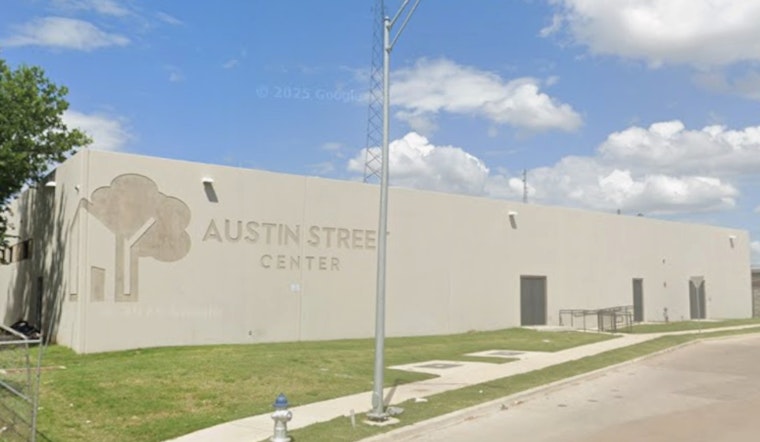
Dallas County has quietly carved out an eight-bed transition unit inside the Austin Street Center, giving officers a new option when they encounter people suspected of criminal trespass. Instead of a straight shot to the county jail, some can now be steered into shelter and services, with the pilot focused on stabilizing people with immediate needs and connecting them to mental-health and substance-use resources rather than cycling them through repeated arrests.
How the Austin Street pilot works
The pilot, which launched in mid-October, sits inside Austin Street’s existing shelter and reserves eight beds for eligible clients brought in by DART officers and other partners. According to The Dallas Morning News, Austin Street served 11 clients in its first month, and the North Texas Behavioral Health Authority is contributing roughly $750,000 a year to operate the transition unit.
County leaders say the offer is voluntary. The pitch is simple: instead of an arrest and booking, people are offered immediate shelter and food, a mental-health screening, and help getting connected to longer-term care. The hope is that one night in a bed, plus access to services, will do more than another trip through intake.
What 'deflection' looks like on the ground
“Deflection” programs are designed to keep low-level, nonviolent cases out of the criminal-justice system and in short-term stabilization or treatment, according to Homeward Bound. Homeward Bound’s model centers on 24- to 48-hour observation beds and trauma-informed case management at its University Hills site, where peer support workers and clinicians help clients connect to detox, medication, or housing options.
In real life, it plays out on the curb or sidewalk. Officers in the field offer the option, and if the person agrees, they are taken to a deflection site instead of jail. The whole idea is to address root needs such as mental health or addiction, instead of simply adding another booking to the ledger.
How the new unit complements existing efforts
Homeward Bound’s program is already dealing with a significant volume. The Dallas Morning News reports that Dallas Deflects treated about 918 people in the last fiscal year, with roughly 43% of clients referred by law enforcement. Data from the district attorney’s office cited by reporters shows 3,539 criminal-trespass arrests in the county since 2024, many involving repeat bookings, a pattern officials say these programs are built to break.
Agencies such as DART and Dallas police are among the top referrers, and outreach teams also route people into care without an arrest. The Austin Street unit slots into that larger network as one more place officers can take someone who is on the brink but not facing a violent charge.
Why county officials say more sites are needed
County officials point to an overcrowded jail and a high rate of mental-health needs among people booked as the driving force behind new deflection sites. Local reporting and county figures show the Dallas County Jail has averaged around 7,000 people in custody, and a large share of those booked recently have received state mental-health services in the prior three years, trends KRLD has reported on.
The county’s Criminal Justice Department already partners with shelters and providers through programs such as FUSE, which connects people leaving jail to housing and services. Now, leaders say they are weighing whether to replicate the Austin Street model at other locations across Dallas County, potentially turning a quiet pilot into a broader strategy for handling low-level trespass cases.




