

























































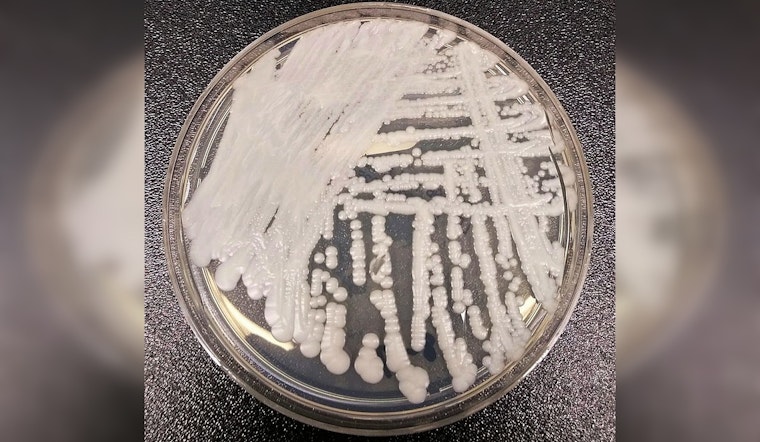
Candida auris, a stubborn drug-resistant yeast that targets medically fragile patients, is putting Chicago-area hospitals and long-term care facilities on high alert, according to public health officials in the city and across Illinois. The organism can linger on surfaces for weeks, often shrugs off common antifungal medications, and causes vague symptoms that can slow down diagnosis and containment. Put all that together and isolated infections can quickly snowball into persistent clusters in hospitals and ventilator-capable nursing homes.
State totals and testing
According to the Illinois Department of Public Health, from 2016 through 2024 the state recorded 5,685 Candida auris cases, including 2,210 clinical infections and 3,475 colonized patients. State officials report that most detections have occurred in Chicago-area skilled nursing facilities and long-term-acute care settings, where residents frequently rely on ventilators, feeding tubes or other invasive devices that increase risk. The agency says it is working with facilities to screen contacts and reinforce infection-control measures.
Clusters in hospitals and nursing homes
A multiyear outbreak detailed in Emerging Infectious Diseases shows how quickly Candida auris can establish a foothold. Investigators documented 28 cases in a burn intensive care unit at a Chicago hospital between 2021 and 2023, and whole-genome sequencing pointed to multiple introductions along with transmission within the unit. The study highlights how patient transfers and shared equipment can seed new cases in short order, even when hospitals roll out layered mitigation strategies.
What experts are saying
Local and national clinicians say Candida auris is a serious concern but not an unstoppable one. In a segment posted by FOX 32 Chicago, infectious disease specialist Dr. Jatin Vyas described the yeast as particularly tricky because routine labs can misidentify it and it may not respond to standard first-line antifungal drugs. That combination complicates treatment decisions for patients who are already very ill. He urged facilities to focus on screening patients and aggressive environmental cleaning to break chains of transmission.
Prevention and detection
The Centers for Disease Control and Prevention advises admission screening for patients with known exposure risks, strict hand hygiene, use of transmission-based precautions, and environmental disinfection with products that are proven effective against Candida auris. The agency also recommends sending isolates to public health laboratories for confirmation and susceptibility testing so clinicians know which drugs still work.
How Chicago and Illinois are responding
According to the Chicago Department of Public Health, the city’s healthcare-associated infection and antimicrobial resistance unit tracks and investigates cases, offers training, and posts data summaries for local facilities and clinicians. CDPH’s health alert network outlines reporting requirements and resources for hospitals and nursing homes, and city and state teams say they coordinate to screen high-risk units and trace patient transfers whenever new cases surface.
What families should know
Patients and families can play a role too. It is reasonable to ask care teams whether a facility screens for Candida auris or carries out point-prevalence surveys on affected units, and to confirm that staff are consistently following hand-hygiene and room-cleaning protocols. If someone in your family is medically fragile and moves between hospitals and long-term care, make sure each facility knows about any past Candida auris infection or colonization so teams can take appropriate precautions.





