

























































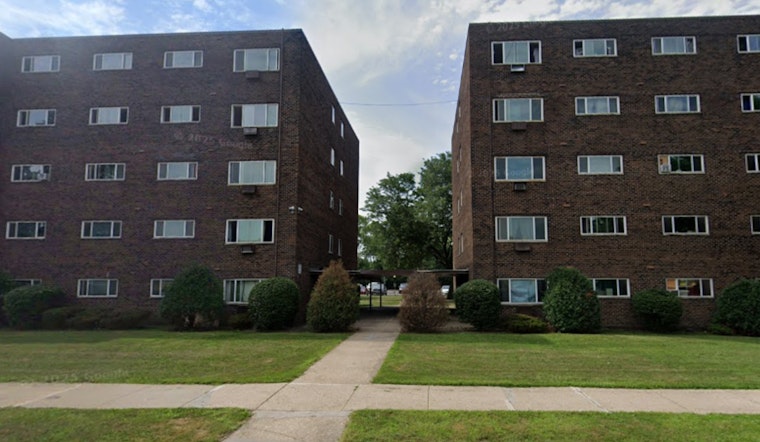
In West Pullman, the Indian Trails Apartments sit at the center of an ugly contradiction. Tenants describe freezing units, mold, pests, and plumbing failures that never seem to stay fixed, even as the corporate owner pulled in millions in subsidized rent. The 180-unit complex is now on track to get a new owner and a large taxpayer-backed renovation, but residents say they are holding the applause until they see signed contracts and real work. After years of missed deadlines in building court, the neighbors who stuck it out say they want something basic and overdue: a safe, warm place to live.
What tenants have been living with
Residents and tenant organizers say Indian Trails has been plagued by long outages of heat and hot water, leaking ceilings, rodent infestations, and sewage in shared hallways and common areas. Last December, ABC7 Chicago reported that tenants in two of the buildings went weeks without heat and resorted to space heaters and kitchen stoves to stay warm. Several residents told reporters that those conditions worsened chronic health issues and forced families to sleep elsewhere while they waited for repairs.
How the owners profited while maintenance lagged
Public records show the complex is owned by The Sausage King of Chicago LLC, a company controlled by investors Alan Smolinisky and Brian Chien-Chih Chen, who bought Indian Trails in 2017. According to reporting by WBEZ, the investors paid roughly $16.6 million for the property. Federal Department of Housing and Urban Development payment records cited in the reporting show that the owner collected more than $2 million in rent subsidies in the last fiscal year, while code violations accumulated. City and court files in the same reporting show the property has spent more than two years in building court over recurring issues that included broken boilers, missing detectors, and persistent plumbing problems.
Loan approved, sale in the works
At a City Council committee hearing in October, aldermen approved a municipal loan of up to $31 million to help finance the rehabilitation of the complex, according to the Chicago City Council record on Chicago Councilmatic. Reporting shows that The Transcend Group, a California-based developer, is lined up to buy Indian Trails and had already applied in 2023 to acquire and refinance the project for roughly $27 million, a figure highlighted in coverage of the sale talks by the Chicago Sun-Times. If the deal closes as expected, city officials say the loan money would go toward remodeling apartments, upgrading common areas and adding new security measures.
Tenants remain skeptical
Even with fresh rehab dollars on the table, tenants say they have heard big promises before that never quite materialized. This time, they want legally binding protections against displacement and against grand plans that quietly evaporate. “We are all for the rehabilitation, of course, but if it’s not backed by a contract ensuring that it’s going to actually happen to us personally, we do not trust it — we have the right to not trust it, honestly,” one resident told WBEZ at a City Council hearing. Tenant organizers argue the basic pattern here, with federal checks arriving while repairs fell behind, reflects a wider problem with absentee owners of subsidized housing.
Legal exposure and funding hurdles
Court records and city documents reviewed in local reporting show longstanding code enforcement cases against Indian Trails, and state housing officials told reporters that previous applications for public financing either were never finished or were rejected over feasibility concerns. As the Chicago Sun-Times noted, those funding gaps are a big reason the new city loan and the pending sale are now central to whether tenants finally see meaningful repairs. Legal and regulatory follow-through will determine if this rehab actually happens or if it simply reshuffles ownership while residents keep living with the same old problems.
For now, tenants say they plan to keep pressing their aldermen and the incoming owner for concrete, enforceable commitments that protect current residents. If the sale closes by the end of the year as reported, the next few months will reveal whether those promises turn into heat, dry ceilings and working boilers, or just another chapter in the ownership shuffle.





