

























































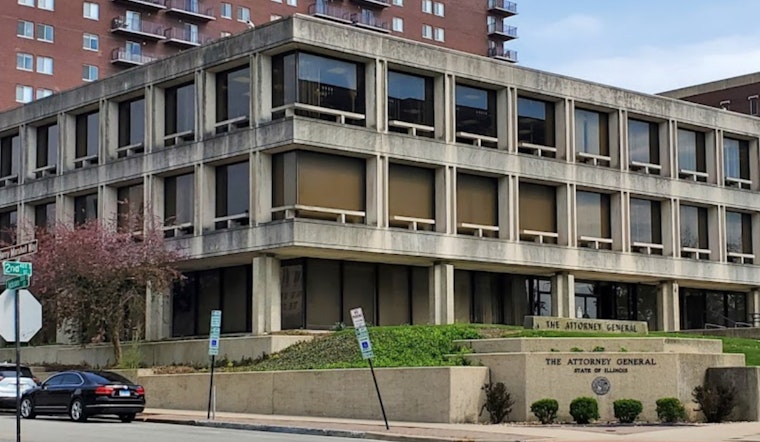
In a move that aligns with concerns about access to vital food assistance programs, Illinois Attorney General Kwame Raoul and a coalition of 21 attorneys general sent a stern letter to the U.S. Department of Agriculture (USDA), calling for immediate alterations to what they consider unlawful SNAP eligibility guidance. This guidance, released on Oct. 31, mislabels several immigrant groups, including refugees and asylees who have lawfully attained permanent resident status, as ineligible for the Supplemental Nutrition Assistance Program (SNAP).
"The SNAP program is the country's most important anti-hunger program, providing access to food for millions of families while supporting local grocers and merchants who are critical to our state’s economy," Raoul stated, according to information obtained from the Illinois Attorney General's official news release. The attorneys general argue that the USDA’s instructions conflict with well-established federal law and could unjustly hinder permanent residents, who were granted asylum or are in the U.S. as refugees, parolees, or through other humanitarian programs, from obtaining the food benefits to which they're rightfully entitled.
The controversial memorandum, coming from the USDA, suggests that certain categories of migrants, including legal permanent residents admitted as refugees, individuals granted asylum, and participants in humanitarian parole programs, are categorically "not eligible" for SNAP. This advisory not only creates hurdles for eligible individuals seeking aid but also places an undue burden on states to modify their policies within an unworkable timeframe. The attorneys general warn that not only does the guidance neglect to recognize certain immigrants' eligibility for SNAP after they've received their green cards, but it also erroneously omits these groups from the exemption list for an obligatory five-year federal waiting period.
Furthermore, federal regulations customarily provide states a grace period of 120 days to comply with new standards before facing financial repercussions. Nonetheless, the USDA claims that this period terminated on Nov. 1, one day after the release of the guidance, and prior to states having a business day to process it. "By ignoring this requirement, the USDA is putting states at risk of penalties for errors created entirely by the agency’s own delay and inaccuracies," the coalition emphasized in the letter shared by the Illinois Attorney General's office.
The coalition’s demand for correction includes a clear acknowledgment from the USDA that refugees, asylees, and individuals admitted through humanitarian parole programs may qualify for SNAP upon becoming lawful permanent residents. They also require an accurate enumeration of the groups exempt from the five-year waiting period and a clear explanation of how the rule operates. Aggravating the issue, the letter also underscores how the USDA has overlooked the mandated 120-day adaptation period that states require to adjust to new regulations, increasing the risk of penalties due to the agency's own missteps.
Attorney General Raoul's effort, backed by counterparts from states such as California, New York, and Washington, exemplifies a collective pushback against federal misguidance that impinges on the rights of vulnerable communities and their access to essential nutrition assistance services. This collective action emphasizes the imperative of accurate and law-abiding communication from federal agencies when dealing with matters of such significant consequence.





