

























































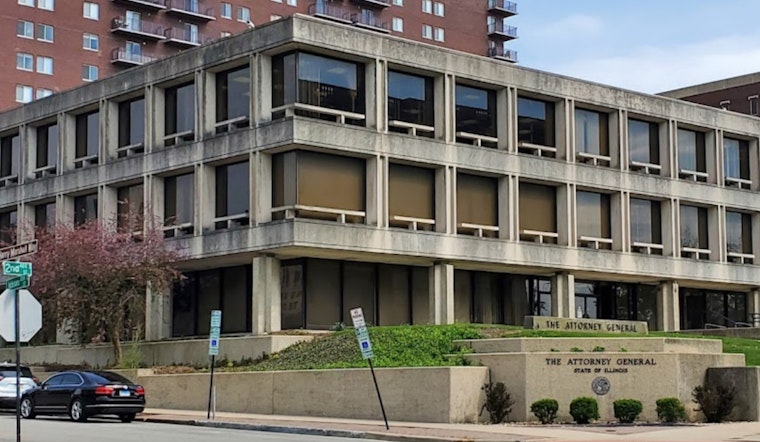
In an orchestrated push back against the Trump administration's alteration of food aid eligibility, Illinois has stepped forward alongside other Democrat-led states in a lawsuit challenging the legality of the recent changes. According to a report by the Chicago Sun-Times, the suit was filed in the Oregon federal court and focuses on resisting the U.S. Department of Agriculture's (USDA) guidance, which effectively made certain immigrants, including those with refugee status or granted asylum, ineligible for the Supplemental Nutrition Assistance Program (SNAP), after obtaining permanent residency.
These legal actions follow the USDA's disregard of a 120-day grace period traditionally afforded to states to smoothly integrate such policy changes. Illinois Attorney General Kwame Raoul emphasized the program's crucial role, declaring that "The SNAP program is the country's most important anti-hunger program, providing access to food for millions of families while supporting local grocers and merchants who are critical to our state's economy," as per the statement obtained by the Chicago Sun-Times. The suit further claims that states will incur high financial burdens due to the necessity to rapidly adapt to the last-minute changes in distributing SNAP benefits.
Placing collective weight against these directives, a coalition that includes 21 attorneys general spearheaded by New York Attorney General Letitia James, is taking a firm stance as reported by CNN. In their legal challenge, they argue that the guidance issued by the USDA oversteps its bounds defined by federal law by permanently disqualifying those admitted via humanitarian protection programs from SNAP even after becoming legal residents. Their filing in Oregon seeks to have the recent USDA guidance vacated and its implementation blocked.
The USDA's introduction of this guidance has further sparked concern over potentially causing nationwide SNAP instability, as addressed by the joined attorneys general, apparently intent on not only protecting access to crucial food aid but also on saving states from the financial strain of unanticipated and swift changes to their eligibility systems. Meanwhile, a spokesperson for the USDA has declined to comment on this "pending litigation", as highlighted in the information obtained by CNN. The Illinois camp, already affected by a federal government shutdown that delayed November’s SNAP payments, is particularly vocal, with nearly 2 million state residents depending on the program, bolstered by roughly $350 million monthly from the federal government.





