

























































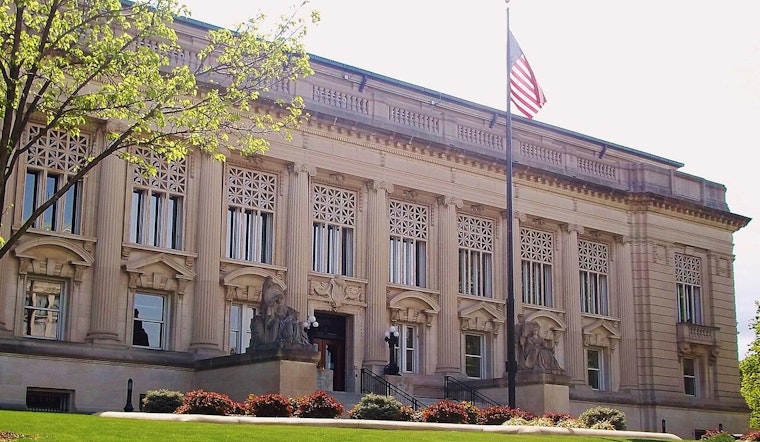
The Illinois Supreme Court is set to hear an appeal by the Fraternal Order of Police regarding the public arbitration of police disciplinary cases, a legal tussle that has effectively paused the progression of numerous charges against Chicago police officers. The court agreed to consider overturning a previous decision made on August 8, 2025, by an appellate court that mandated arbitration proceedings for serious disciplinary cases to be open to the community. The announcement anticipates oral arguments will take the stage next year.
The ramifications of this legal stalemate are non-trivial. As reported, the friction has frozen the Police Board's ability to act on recommendations for the dismissal of officers accused of significant misconduct. Currently, twenty-one such cases are held in limbo, with charges ranging from unjustified shootings to domestic violence. Due to the pending litigation and the absence of agreement on an arbitration process that aligns with court directives, these cases are trapped in a procedural purgatory—none can move forward unless the accused officer consents.
This standstill doesn't affect all, however. There are four Police Board discharge cases proceeding—two involve supervisor-level CPD members who aren't represented by the FOP, and two are cases where the officers elected to undergo a Police Board hearing instead of awaiting arbitration.
The Police Board remains vigilant, promising to keep the public in the loop as the case evolves. In a statement, the Board expressed an eagerness to see the FOP and the City establish a fair arbitration process post Supreme Court verdict. "We look forward to the Fraternal Order of Police and the City working expeditiously to finalize an arbitration process," they affirmed, highlighting a path forward once legal hurdles are cleared.
In the interim, there is a clear recommendation for officers facing serious allegations. They are encouraged to take their cases to the Police Board directly. This offers a potential avenue for cases to be adjudicated fairly and swiftly, based on facts and law, as opposed to waiting in the wings of a legal standoff. Still, the broader implication hangs in the balance. With the state's highest court set to weigh in, the precedents set could reshape transparency and due process within police disciplinary actions for years to come.





