

























































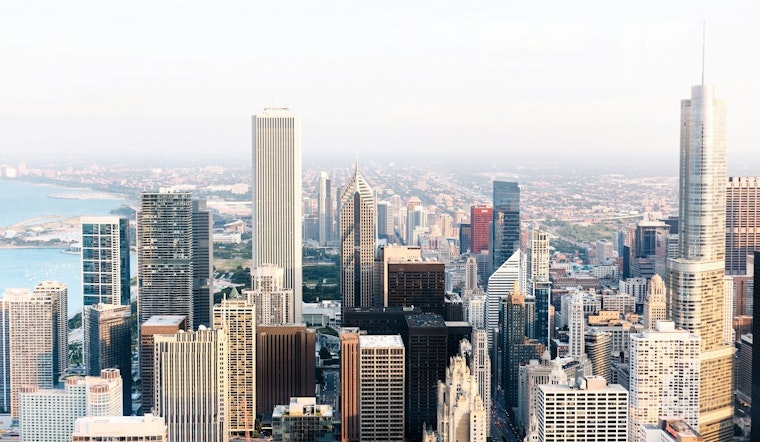
Downtown Chicago is staring down a skinny pipeline of new apartments through 2026 — and that thin supply is likely to keep rent pressure high in the city’s core. Forecasters expect only a modest bump in move-in-ready units over the next two years, even as demand holds steady. Development is tilting to the suburbs, but not nearly enough to loosen the vise downtown.
The outlook came at the Chicagoland Apartment Association’s Preview 2026 breakfast, where owners and market pros reviewed the annual multifamily forecast, per the Chicagoland Apartment Association. Research and a market forecast prepared by Integra Realty Resources underpinned the session.
How tight is tight? Ron DeVries, senior managing director at Integra Realty Resources, told attendees that downtown deliveries will be unusually low: “Between the three years of 2025, 2026 and 2027, the number of deliveries of new apartments downtown will be no more than 3,000,” a forecast reported by REJournals. In the previous decade, developers often hit that mark in a single year. With demand steady and the pipeline constrained, landlords have a clear runway to push rents.
Suburban fundamentals look sturdier: occupancy in many suburbs is hovering near 96% and roughly 4,700 new apartments are under construction outside the central business district, per REJournals. The presentation also cited Up For Growth data pegging the Chicago metro among the nation’s worst housing underproducers with a shortfall of around 165,000 units. As Michael Mini, executive vice president of the Chicagoland Apartment Association, told the room: “The solution is clear: build more housing.”
Why rents may keep rising
Limited new supply downtown has already shown up in the price tags: average rents tracked by Luxury Living crossed $3,000 last year, a trend reported by The Real Deal. With few deliveries and high retention, brokers expect owners to keep testing the upper limits in 2025 and 2026 — especially when a single big lease-up can tighten the market overnight.
What’s holding back new projects
Developers point to the same trio of headwinds: higher construction costs, rising insurance premiums, and tighter lending — a combination that’s thinned Chicago’s new-build pipeline, as Bisnow reports. National trackers also place Chicago among metros with the steepest slowdowns in apartment construction, per RentCafe. Add policy uncertainty to the tab, and some investors are waiting this one out.
Conversions are part of the answer
One workaround: flip vacant offices into apartments. Conversion projects are gaining steam in and around the Loop as part of the city’s broader revitalization push, as documented by WBEZ. Among them, plans for the Rector Building transformation are moving forward. Conversions can add units faster than ground-up towers, but they still wrestle with financing and zoning hurdles.
For renters, the near-term math is simple: fewer options and faster price growth in desirable downtown neighborhoods unless new financing or policy moves unlock more supply. Local trackers say leasing velocity has cooled while occupancy stays high — a recipe for tight conditions through 2026. If capital or policy winds shift, relief could start to show up in 2027 and beyond.




