

























































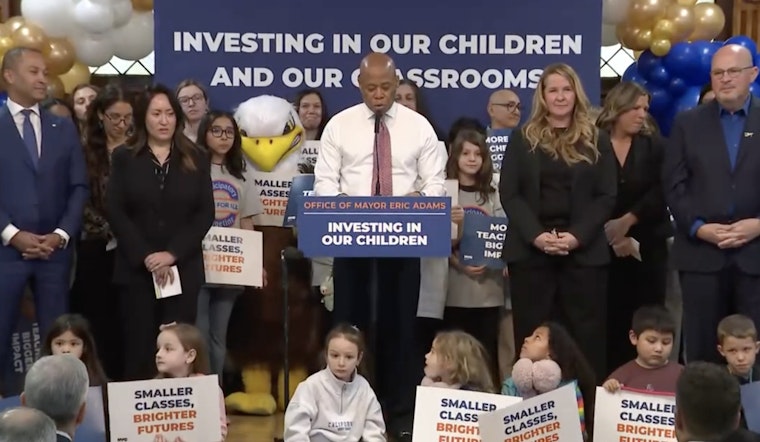
In an ever-burgeoning city where elbow room is a luxury, New York City schools are breathing a little easier thanks to a sizable dip in class sizes. Mayor Eric Adams and Chancellor Melissa Aviles-Ramos have hit a significant milestone, slashing class sizes by over 60 percent, exceeding initial goals set for the 2025-2026 academic year. This reduction, an outcome of steering a hefty $450 million into the education system, has put larger, more individualized learning on the New York education map, according to an announcement from the NYC Mayor's Office.
"Smaller class sizes change lives by making it easier for kids to learn," Mayor Adams said, emphasizing collaboration with unions and school leaders as the keystone for this achievement. The initiative, funded by tax levy dollars among other sources, has led to the creation of over 3,700 teaching positions and 100 assistant principal roles. Following a school-driven planning process, the chancellor underscored compliance with class size law, noting "64 percent of classes in compliance," and welcoming the surge of new educators into the school system, all achieved with the backing of their union partners and school communities, as per the NYC Mayor's Office.
The drive for smaller class sizes didn't sprout out of thin air. It's part of a larger commitment to equitably fund public schools across New York City, employing the Fair Student Funding Formula. Schools embraced this robust fiscal shot in the arm, which includes two new weights addressing specific challenges within the educational ecosystem. The focus on funding the neediest schools is clear, with over $120 million earmarked for the cause this year alone.
Meeting these class size targets has been no small feat, with Specialized High Schools and other space-strapped institutions nailing down exemptions and eyeing future capital projects to toe the line. Grappling with the finer details, the Annual Class Size Implementation Report shines a light on the nitty-gritty of the approach. As an integral part of the Adams administration's educational victories, the school system has seen substantial expansion under policies aimed at addressing dyslexia, augmenting Gifted and Talented programs, securing crucial early education funding, and amping up enrollment numbers to new heights. "We will continue to work with the DOE, parents, and school communities across New York City to fulfill this promise for our school system," UFT President Michael Mulgrew told the NYC Mayor's Office.
Applause also came in from the CSA, with President Henry D. Rubio commending the principals and school leadership for their pivotal role in hitting the milestones. In the hands of capable school leaders who know their students and facilities inside out, the school-driven approach has proven effective. The collaborative efforts are set to persist as the city prepares for the next goal: an 80 percent compliance rate for the 2026-2027 academic roster. And so, the quest for more personal space in the Big Apple's classrooms continues, with an educational community united in their goal of more intimate and nurturing learning environments for every student.




