

























































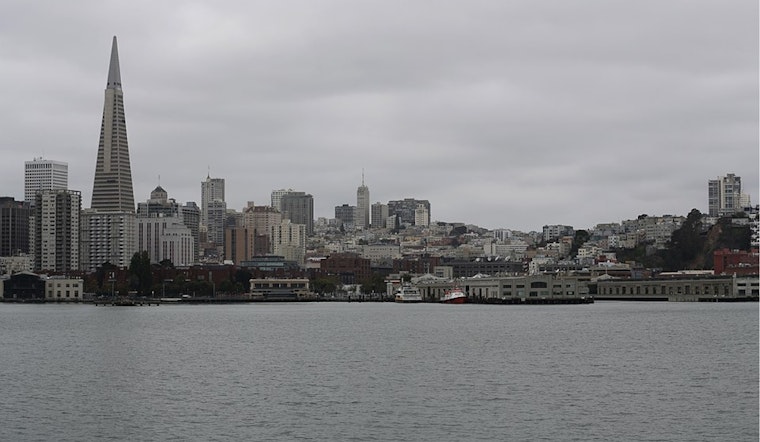
The National Weather Service's San Francisco division advises residents to prepare for significant wind conditions today, with strong southerly winds expected to reach 25 to 35 mph and gusts of up to 70 mph throughout the afternoon. This storm system poses an admonition to secure loose objects and proceed with caution, especially if you're behind the wheel of high-profile vehicles. These winds can make handling a car a nightmare on roads, especially along the North Bay Coast and across ridgelines, where the gusts will hit the hardest, according to the NWS San Francisco.
A drenched commute is what to expect, with the forecast promising beneficial rainfall and a slight chance of thunderstorms throughout the day, according to the NWS San Francisco. Concerns include minor flooding in low-lying areas, and as the old saying goes, "turn around, don't drown!" If you're planning to go outside, remember to use your headlights.
Meanwhile, beachgoers are advised to stay away from the Pacific's beauty up close come Thursday. With sneaker waves and rip currents, along with significantly large breakers up to 22 feet expected in some locations, it might be wise to appreciate the ocean's power from a safe distance. To put it plainly, stay off jetties and out of the water.
As a result of a Supermoon occurring today, coastal dwellers should prepare for possible minor flooding, because higher-than-normal tides are expected. A Coastal Flood Advisory remains in effect until Saturday afternoon.
The Area Forecast Discussion from the NWS San Francisco has updated street-level specifics on the storm system and its effects. They've pointed to the likelihood of storm force gusts and severe gale wind gusts at sea, making for a precarious situation for mariners through Wednesday. Not just on the seas, but even on land, the combination of gusty winds and heavy rain can lead to reduced visibility and slick commuting conditions, so it's wise to allow some extra elbow room in your travel time.
Following the storm, conditions over the weekend appear to forecast a calmer phase. Brief ridging should establish more stable weather, hinting at clear skies with little to no precipitation across the Bay Area and Central Coast. While temperatures are expected to rebound gradually, we may see a modest increase in offshore flow, nudging those numbers higher than currently predicted. Nonetheless, the heat doesn't seem to spell any immediate risks for the region.



.jpg)