

























































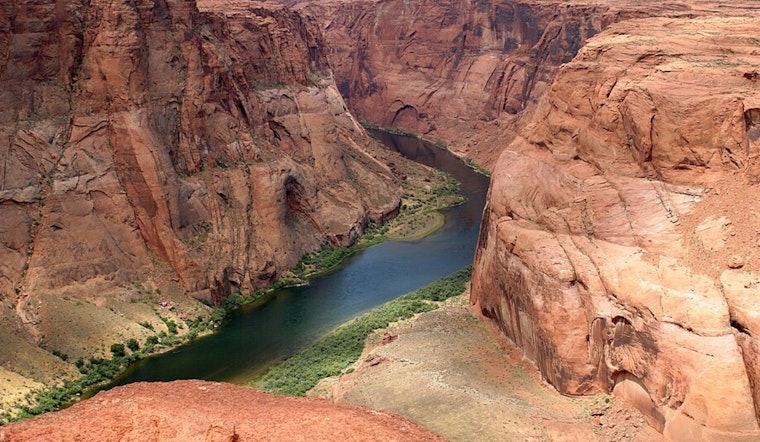
The Colorado River, a source vital to the water supply of seven states, remains the center of fraught and unfulfilled negotiations, as officials scramble to draft a consensus plan for its dwindling resources. Utah, along with Arizona, California, Colorado, Nevada, New Mexico, and Wyoming, failed to meet the most recent deadline this Tuesday to formulate new guidelines for water allocation from the overtaxed river. Despite missing the mark, "We were able to have enough of a framework put together that the federal government agrees with us that the framework can be continued to be refined," Utah's Gene Shawcroft, chairman of the Colorado River Authority, told KSL. The group has set its sights on a February 2026 deadline, with hopes to avoid federal intervention.
The stakes are high for Utah, which derives over a quarter of its water supply from the Colorado River, directly impacting two-thirds of its populace. According to Shawcroft, the major hurdle remains how to divide a pie that's significantly smaller than it has been, as states accustomed to a larger share now face the stark reality of scarcity. Meanwhile, KJZZ quoted Ted Cooke, board member of the Water Infrastructure Finance Authority of Arizona, reflecting a less optimistic stance on what might unfold, emphasizing the urgency and complexity of the interstate dynamics.
Amid accusations of stalled progress, Arizona Governor Katie Hobbs spearheaded a bipartisan legislative push, calling out Upper Basin states in a letter to Secretary of the Interior Doug Burgum. Hobbs expressed concerns over these states refusing to implement cuts to their supplies, labeling the negotiating position as "extreme," as documented by News from the States. The letter accused the Upper Basin states of consistently refusing to implement any volume of binding, verifiable water supply reductions.





