

























































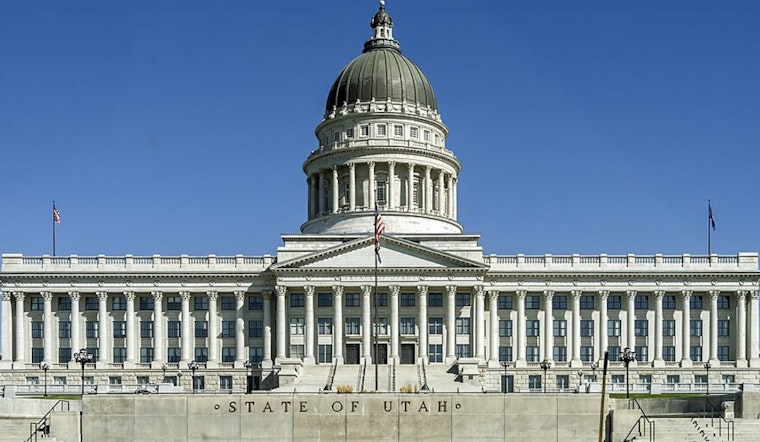
In a significant turn of events in Utah politics, Third District Judge Dianna Gibson has made a ruling that shakes up the state's congressional districts ahead of the 2026 midterm elections. Late Monday, in a decision that led right up to the stroke of midnight, Judge Gibson sided with plaintiffs who opposed the new map, known as Map C, put forth by Republican lawmakers. The ABC4 reported on the judge's 91-page ruling, which indicates that the Legislature's redistricted map was at odds with the anti-gerrymandering law, Proposition 4, passed by citizens.
Gibson's ruling was clear-cut: the Plaintiff’s Map 1, which presents a compact district strictly within the bounds of urban Salt Lake County, will be the guide for Utah's congressional lines in 2026. This new map creates an unprecedented Democrat-leaning district in the area, while retaining three other districts as solid Republican seats, a stark difference to the existing layout, which has been in Republican favor. According to the Salt Lake Tribune, this is the first time in a quarter century that Utah has a district that tilts in favor of Democrats.
Gibson spelled out that Map C, which she found to be drawn with partisan intent, was "an extreme partisan outlier" based on evidence including a reliable ensemble of computer-simulated maps. This ensemble of simulated maps adhered to the criteria of Proposition 4, and judging by this standard, over 99% of them would likely be less skewed toward the Republicans than Map C. The ABC4 coverage also included Gibson's opinion on SB 1011, a legislative attempt to codify tests meant to measure partisan symmetry as required by Prop 4, which she found to be paradoxically enforcing the very partisan favoritism the Proposition was meant to halt.
The Republican-led Legislature has been vocal in their dissent, labeling the judge's decision as overreaching. Following Gibson's ruling, there was a prompt backlash, with GOP leaders accusing the judge of "judicial activism." In their view, the decision disrupts the Legislature's constitutional mandate to divide districts, as reported by KUTV. The ruling stood firmly against Map C, which, according to Judge Gibson, failed to follow the standards of Prop 4.
While the ruling has directed the implementation of the plaintiffs' map for the upcoming midterm elections, the issue may be far from settled. The Utah Republican Party has been striving to repeal Proposition 4 through a ballot initiative in November. The party has until February 15, 2026, to gather the necessary signatures to present it to voters. Should Map C be overturned as a result of this initiative, the political landscape may again undergo significant change. Meanwhile, this latest development offers a glimpse into the ongoing debate between judicial authority and legislative power in the redistricting sphere.





