

























































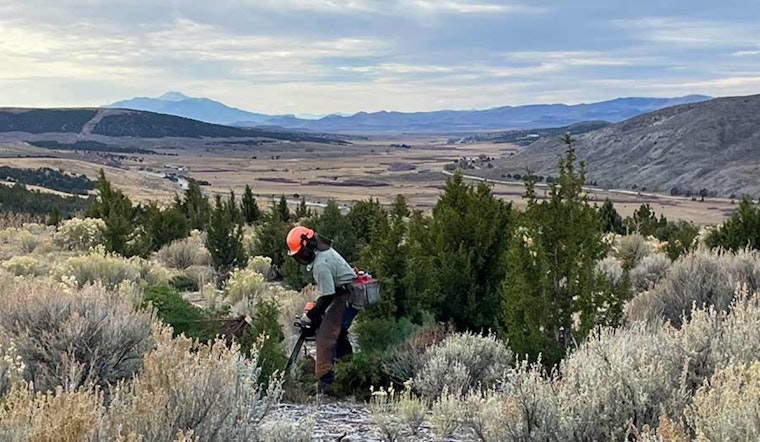
Utah's landscapes are becoming increasingly robust thanks to a concerted effort to restore and revitalize important habitats. The Utah Department of Natural Resources' Watershed Restoration Initiative (WRI), a coalition formed in 2006, reported a notable increase in the health of the state's ecosystems, with over 144,000 acres improved during the fiscal year of 2024-25. A substantial portion, nearly 14,000 acres, of the improved land had been damaged by wildfires, areas which are now starting to return to their former vitality.
In an impressive demonstration of environmental stewardship, the WRI managed not only to restore a significant area of land but also to create jobs and bolster the local economy. According to the Utah Division of Wildlife Resources, these efforts have culminated in the creation of approximately 539 jobs within the region. The initiative also completed an ambitious total of 120 habitat restoration projects and enhanced 142 miles of streams throughout Utah, an impressive feat considering the myriad of ecosystems the state encompasses.
Funding for these extensive endeavors exceeded $31 million, provided by a coalition of more than 63 partners. Among the contributors are various government agencies and conservation groups, all pooling resources to facilitate environmental conservation. Breakdowns of the finances reveal sources such as the DWR Habitat Council, which draws funds from a slice of the revenue generated from sportspersons' licenses and permits. Other major supporters include the Bureau of Land Management, U.S. Forest Service, and the U.S. Fish and Wildlife Service.
One might think restoring such vast areas of land would require mind-bogglingly complex methodologies, but the WRI emphasizes practical and innovative strategies. One such method described in their initiatives involves the construction of artificial beaver dams, an innovative measure that aims to reduce erosion and improve the water levels and quality. "These proactive projects to improve wildlife habitat and watershed health throughout the state are crucial, not only for our fish and wildlife species, but also for the residents of Utah," the WRI Program Director, Tyler Thompson, told the Utah Division of Wildlife Resources. This effort is part of a larger chain of work that seeks to continuously enhance and protect Utah's diverse habitats.





