

























































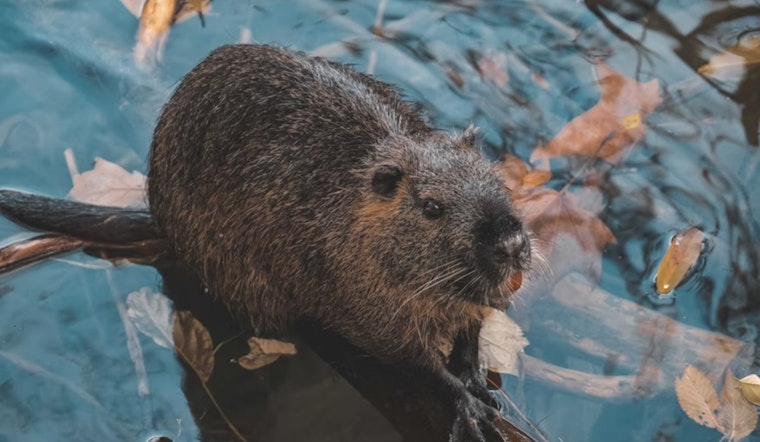
In a move to rectify the tensions between human infrastructure and natural ingenuity, the Beaver Ecology and Relocation Collaborative at Utah State University is taking a hands-on approach to saving beavers at risk due to their sometimes inconvenient knack for structural engineering. Collaborating with the U.S. Forest Service, the USU team expertly navigates the delicate process of live-capturing so-called nuisance beavers, those critters whose dam building can disrupt canals and culverts or encroach on yards, to spare them from the fatal fate of traps.
It's not simply a snatch-and-release operation, either. The beavers, once captured, are not immediately thrust into strange waters; instead, they undergo a brief quarantine in what's dubbed the Beaver Bunk House. This process, detailed by USU Today, ensures that the animals' health and family structures remain intact, which, as it turns out, is crucial for their successful acclimatization to new environments. The relocation site mentioned by USU Today was none other than the high Uintah mountains, a realm seemingly chosen for its suitability as a stage for beaver rehabilitation and ecological theater.
But the project's ambitions don't stop at mere relocation. The team dedicates considerable effort to understanding beaver behavior through scientific research, ensuring a greater chance of post-relocation flourishing. Daniel Fortin, a research associate with the Collaborative and a graduate student at the Quinney College of Agriculture and Natural Resources, is leading the charge in this investigative work. His method: monitoring the movement of the relocated beavers with microchips akin to the ones we use for our pets.
Fortin's investigation is poised to yield insights into the preferences beavers display when selecting a new habitat after being relocated. "Scientists with the group also conduct research to better understand beaver behavior, which can improve the likelihood the animals will thrive after relocation," USU Today reports.





