

























































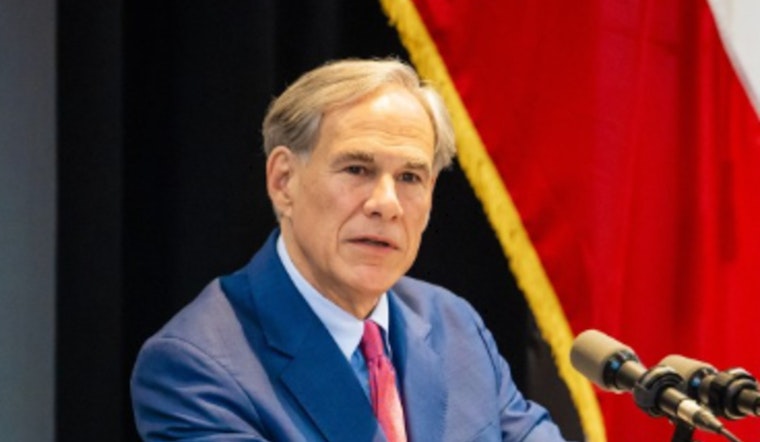
Gov. Greg Abbott is rolling out a plan that would put almost every local tax hike on the ballot and make it tougher for cities and counties to bring in more cash. His campaign proposal would require a two-thirds supermajority of voters to approve any increase, cap how fast local spending can grow based on population and inflation, and give residents a new petition tool to force tax-cut elections. The wish list could upend budgets in fast-growing Texas cities and spark a long legal brawl over how much control local governments really have.
What Abbott Is Proposing
Abbott wants any city or county tax increase to live or die at the ballot box, and not just by a simple majority. Under his pitch, it would take a two-thirds supermajority of voters to greenlight a hike before it could take effect. “Your property taxes should never be increased without you being able to vote on it,” he told a crowd in Fort Worth, according to The Texas Tribune. Right now, some local tax moves can slip through with limited or no direct voter say, something his plan aims to shut down.
Spending Caps And Citizen Petitions
The proposal goes beyond elections on tax hikes. Abbott is also pushing a cap on how fast local governments can grow their budgets. Under the idea, spending could rise only by the lower of either population growth plus inflation or 3.5%. On top of that, his plan would let residents trigger an election to cut a city or county tax rate if 15% of registered voters sign a petition.
Supporters argue that those guardrails would crack down on wasteful spending and hand taxpayers real leverage over local budgets, with conservative policy groups touting strict spending limits as “the solution” in the governor’s rollout, as reported by The Texas Tribune.
How The Rules Compare To Current Law
Texas law already puts some speed bumps in front of local tax collections. Cities and counties face limits on how much they can grow their property tax revenue before they must ask voters for approval. In 2019, lawmakers cut that trigger point, known as the rollback rate, to 3.5% as part of a broader tax package.
The Texas State Senate’s summary of that 2019 law spells out how the rollback rate works and which types of revenue are exempt from the cap. Abbott’s new push would tighten those constraints even more or layer on additional voter hurdles, critics say, which could make it harder to pay for services and capital projects if local officials cannot raise enough revenue.
Local Leaders And Voters Have Mixed Signals
City and county leaders are already sounding alarms. They argue Abbott’s framework would leave them struggling to fund basics like police, fire, streets, and parks. Austin Mayor Kirk Watson has warned against designing a system where a relatively small share of voters can block what a majority wants, as per Texas Public Radio.
At the same time, recent election results suggest many Texans are not exactly eager to sign off on higher tax bills. In the November cycle, voters rejected a wave of local tax-rate increases, with a partial tally showing dozens of proposed hikes falling short, KSAT noted.
How The Plan Could Become Law
For Abbott’s ideas to actually bite, lawmakers would have to turn them into concrete legislation or constitutional amendments, or craft ballot measures that send the whole package straight to voters. Texas has already taken that route on earlier tax-cut efforts. This year, state lawmakers pushed several property tax relief measures onto the ballot, and Abbott signed the bills that Texans will see when they vote, as stated by KUT.




