

























































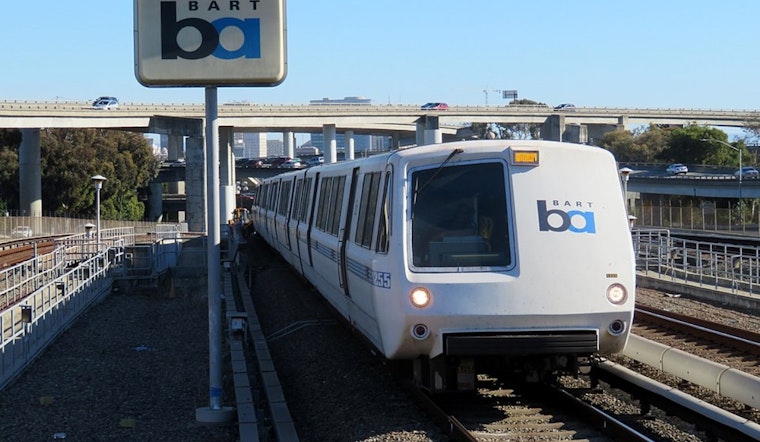
Bay Area commuters, brace yourselves for higher transit costs as BART fares are set to rise by 6.2% starting on the first of January 2026. Citing inflation and the need to maintain operations, BART announced the price hike through a social media post, indicating that the increase will affect every journey - from a $0.15 uptick for a short hop between Downtown Berkeley and 19th St./Oakland, to a $0.55 bump for the 45-mile stretch from Antioch to Montgomery.
BART fares will increase January 1, 2026, to keep pace with inflation so the agency is able to pay for continued operations and to work toward restoring financial stability.
— BART (@SFBART) December 12, 2025
BART's current funding model relies on passenger fares to pay for operations, and fares continue to be…
Intending to keep up with escalating costs and address financial stability, the fare rise aims to raise an additional $15.6 million for the coming year. BART's fare calculator and Trip Planner tools have been updated to reflect the new fares, allowing riders to clearly see how their wallets will soon be a bit lighter. According to BART, as riders are expected to "contribute more towards their trips," the agency is simultaneously pushing to enhance efficiencies and implement strict cost controls in an effort to manage ballooning deficits, which are expected to reach $376 million in FY27.
The need for a reliable, long-term funding source beyond fares is more pressing than ever for BART, given the impact of remote work on ticket sales and the agency's reliance on passenger-generated revenue. According to BART, Board President Mark Foley acknowledged that the current funding model is "outdated" and "no longer feasible," emphasizing the need to modernize their sources of revenue.
Despite these financial challenges, BART has managed to keep its costs growing at a rate lower than the inflation rate. This fiscal discipline was accompanied by a series of strict measures, including a strategic hiring freeze and ongoing cuts totaling $35 million. Furthermore, service adjustments, such as running shorter trains and aligning service schedules more closely with actual ridership, are expected to result in millions of dollars in energy cost savings. Steps have also been taken to renegotiate with unions to reduce retiree healthcare costs and secure low energy prices through long-term contracts.
Amidst these austerity measures, BART does not overlook rider experience. Customer satisfaction reportedly soared to 88% in 2025, and BART was at the forefront of technology adoption in the region, launching a new fare gate system ahead of schedule and introducing the Tap and Ride feature for contactless payment. Moreover, discounted fare programs are maintained for low-income adults, students, youths, seniors, and individuals with disabilities, fostering accessibility and equity in transit.





