

























































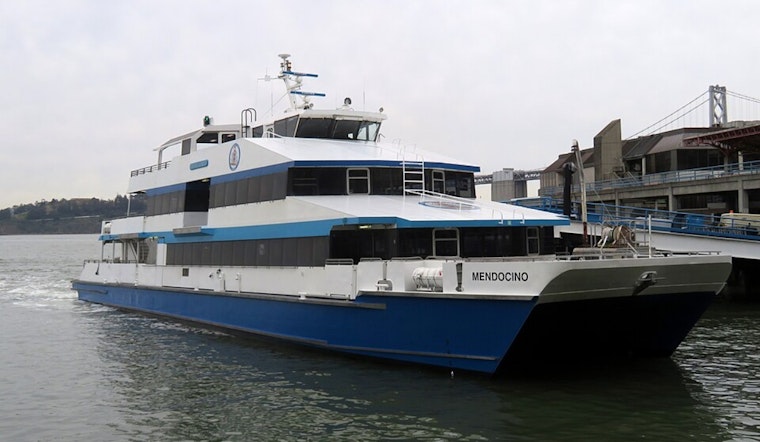
The Bay Area's ferry systems are undergoing a substantial evolution, with major upgrades planned for both fleets over the next several years. Just last month, the Golden Gate Ferry took decisive action with a hefty investment to rejuvenate its aging fleet, marking the beginning of a new age for Marin’s primary maritime transport.
According to a report by Marin Independent Journal, over $118 million has been earmarked for the project, which kicks off with a base contract of $92.4 million to Mavrik Marine Inc. to construct two new high-speed ferries. Michael Hoffman, Deputy General Manager of the ferry division, elaborated on the passenger benefits, noting that they would experience "more reliable service, more modern boats," and that the design would account for "today’s passenger expectations" with features like efficient boarding and accessibility.
Meanwhile, the SF Bay Ferry system isn't lagging, as a recent article by KTVU highlighted the addition of 11 new ferries over the past nine years. These latest additions are lauded as the nation's cleanest, with five all-electric, zero-emission ferries soon to be plying the waters between current and new terminals, including Mission Bay and Treasure Island. The ferry service is an integral part of the region's emergency disaster response strategy, particularly in earthquake scenarios, underscoring the dual role these vessels play as both commuter conduits and lifelines in times of crisis.
The ferries will not only enrich the current commuting experience with improved views and amenities but also stand as a testament to the region's commitment to green transportation. The "Liwa" class vessel, set to join the Golden Gate Ferry’s fleet in 2027, will adhere to stringent emissions standards laid out by the California Air Resources Board. Its construction, expected to take approximately 24 months, will carry over 500 passengers, with a design aimed at reducing shoreline impact and slashing fuel consumption by about 35% compared to the current high-speed catamarans. Nitrogen oxide and particulate matter emissions are set to decrease by 85% and 95%, respectively, Thomas Hall, SF Bay Ferry's Public Information Officer, told KTVU.





