

























































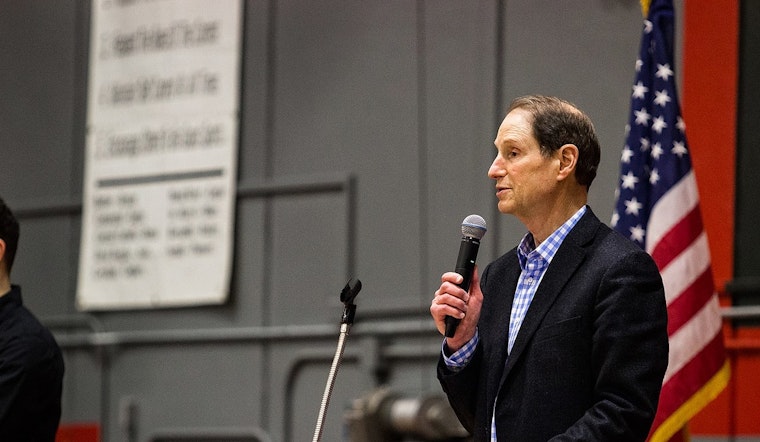
Concerns over a staffing shortfall at the U.S. Fish and Wildlife Service (FWS) have escalated to a bipartisan rallying cry, as Senators, including Jeff Merkley (D-OR) and Ron Wyden (D-OR), urge immediate action. In a united front, they have addressed a letter to Interior Secretary Doug Burgum and FWS Director Brian Nesvik, decrying the potential devastating impacts on ecosystems and public lands. The coalition of lawmakers is sounding the alarm on a staffing crisis that has reportedly left almost 60 percent of wildlife refuges without sufficient resources to fulfill their mission, as reported by Senator Wyden's press release.
The current administration's budget proposal further complicates these challenges, signaling an unsettling disconnect between federal fiscal decisions and the critical nature of the FWS's work. The President's Fiscal Year 26 budget has proposed a cut of 22 percent to the National Wildlife Refuge System's funding within the FWS's overall Resource Management account. Unfortunately, Oregon and Washington have already felt the brunt of this austerity, losing a combined total of 50 senior-level scientists and staff. "Americans of all backgrounds love their public lands, and protecting wildlife refuges is a bipartisan cause that brings together environmentalists, sportsmen, and all who enjoy the outdoor recreation opportunities provided by America’s National Wildlife Refuge System," the Senators wrote in a unified plea for action.
The economic implications of this downsizing are profound, not just for the environmental health of protected areas but also for the communities surrounding them. FWS-generated recreational activities are a source of substantial economic activity, accruing $3.2 billion annually, as pinpointed by internal agency documents. Yet, with a near 30 percent decline in employees within the Refuge System, there has been a critical loss in capacity to manage these national treasures, putting the viability of these habitats, as well as affiliated community economies, at risk.
More than just an environmental concern, the ripple effects of compromised wildlife refuges stretch into disaster resilience and management of natural calamities. Without the full contingent of FWS staff, there is diminished capability for controlling floods and preventing catastrophic wildfires—duties that are essential for safeguarding both ecosystems and human communities. FWS's internal estimates worryingly indicate that 9 percent of wildlife refuges are now "shuttered," raising concern over the potential for damage, vandalism, and the loss of species and habitats.
Moreover, the Senators press for clarity and action on several critical fronts. They are seeking commitments to reverse the workforce reductions, understanding the impact on gateway communities' economies, and questioning the administration's plan despite federal court interventions against further firings. They further question FWS's ability to meet its obligations under the Endangered Species Act, emphasizing the urgency of safeguarding natural resources for all Americans. In their letter, the Senators demand answers by January 2, 2026, an indication of the high stakes and pressing nature of this unfolding crisis.





.jpg)