

























































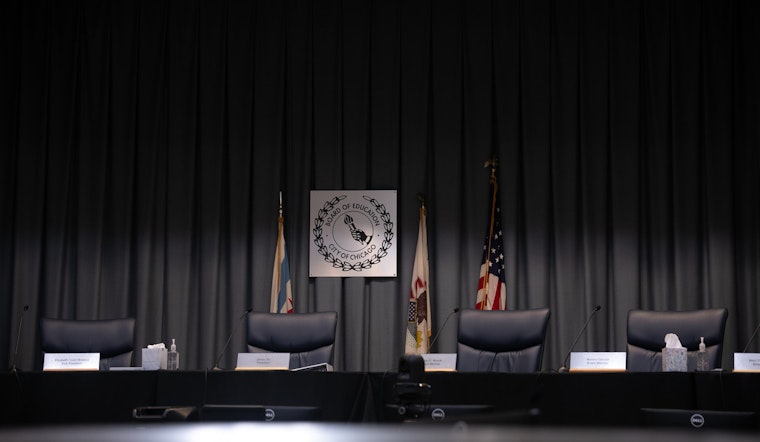
In a move to address the financial quagmire within the Chicago Public Schools (CPS) district, the Chicago Board of Education has decided on a course of action that will increase the property tax levy for the 2026 fiscal year. This adaptation of the previously approved tax plan pushes the district's levy to the legal limit, as CBS Chicago reports, in an effort to secure an additional $25 million in revenue.
Amid a budget that has seen gaping deficits and substantial federal funding cuts, the Board of Education has, in a sense, endorsed the path of incremental financial pressure on homeowners. Homeowners with a property value of $250,000 can anticipate an $8 uptick in their tax bill come 2027. The Urban Center, a local nonprofit, critically views the Board's decision-making process, charging that convening on a Monday during the holiday season shows a disregard for taxpayers. As cited by WGN-TV, they assert the meeting's timing, obscured by the festive period, betrays «board members' contempt for taxpayers,» who have historically shouldered the financial burden.
Despite the counterpoints, proponents within the Board believe this uptick is a necessary evil, one that avoids resigning future generations to compounded fiscal distress. "The reason why I voted yes is because I don't want to mortgage our children's future," Dr. Angel Velez, Board of Education member from District 9A, told WGN-TV. While $25 million might appear modest in the greater context of the CPS budget, it's a sum that's seen as vital for the financial stabilization of the district.
Last summer, the school board had already approved a staggering $232 million property tax hike in a bid to plug a gaping $729 million budget hole, which CBS Chicago notes has been partly managed by cost-cutting measures, including the slashing of central office staff and afterschool programs. However, following an assessment that revealed the initial increase fell short of what Illinois law would allow, the board took action to amend its initial property tax levy, a move that, while seemingly minor, underscores the administrative urgency of financial rectitude.





