

























































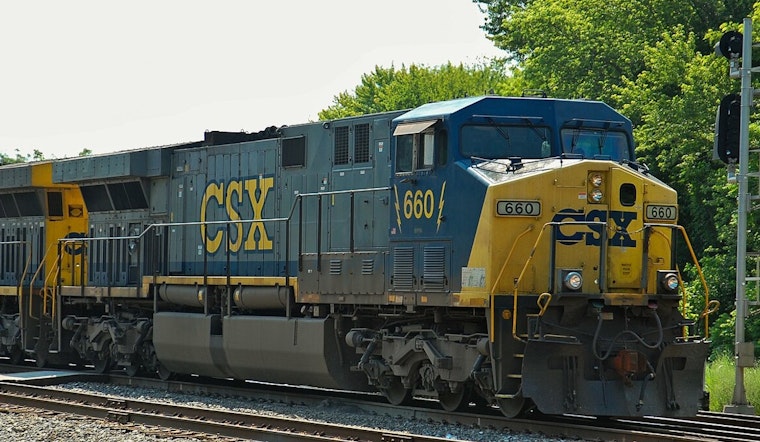
CSX Transportation is hauling a lineup of big insurers into Chicago federal court, asking a judge to force them to pick up the tab for worker injury suits tied to the Forest Hill Flyover rail project on the South Side. The railroad says the carriers shrugged off multiple demands to step in on coverage, leaving CSX to fund its own defense while legal bills climb. The case doubles as a straightforward insurance coverage fight and a bid for statutory penalties under Illinois law.
Federal Lawsuit And Who's In The Hot Seat
In a complaint filed Nov. 26, 2025, in the U.S. District Court for the Northern District of Illinois, CSX Transportation, Inc. sued TranSystems Corporation, Granite Construction Inc., The Roderick Group Inc. (d/b/a Ardmore Roderick), and a cluster of insurers. The filing names Zurich National Insurance Company, Transportation Insurance Co., Continental Casualty Company, National Fire Insurance Company of Hartford, PA Manufacturers Indemnity Co., Old Republic Union Insurance Co., and Travelers Property Casualty Insurance Company of America. The docket lists the case as 1:2025cv14475 and shows it is still at an early stage while the defendants prepare their responses, according to Justia Dockets & Filings.
Project Background: Forest Hill Flyover
The insurance battle grows out of work at CSX's Forest Hill Yard near West 79th Street, where the Forest Hill Flyover was built as part of the CREATE Program's 75th Street Corridor Improvement Project. The flyover at 2252 W. 79th St. wrapped up this fall as a multihundred‑million‑dollar effort to separate freight and commuter rail traffic and ease chronic bottlenecks on the South Side, with CSX leading the project as part of a broader public‑private push, as reported by the Chicago Sun‑Times.
CSX's Coverage Claims And Worker Injury Suits
CSX says it qualifies as an additional insured under commercial general liability and umbrella or excess policies purchased by Granite, TranSystems, Gannett Fleming and related entities, and that it tendered the underlying Valente and Ipema claims to multiple carriers in March, May and October 2025 without getting a response. According to the complaint, those tenders stem from two employee lawsuits: one filed by Christopher Valente, who alleges a crane incident on May 23, 2024, and another by Henry Ipema, who says he fell from a platform on Dec. 20, 2023. CSX has answered both lawsuits and denied liability. In its federal filing, the railroad asks the court to declare that the insurers must defend and indemnify CSX, to order reimbursement of damages, costs and attorneys' fees, and to award penalties under Section 155 of the Illinois Insurance Code for what CSX characterizes as "unreasonable and vexatious" conduct, according to Insurance Business.
Legal Angle: Illinois Insurance Code §155
CSX's push for statutory penalties hinges on Section 155 of the Illinois Insurance Code. That provision allows courts to award reasonable attorney fees, other costs and an extra penalty if an insurer's delay or denial of benefits is found to be "vexatious and unreasonable." Illinois courts, along with federal decisions interpreting the statute, generally describe §155 as an extra‑contractual, penal remedy aimed at punishing unreasonable insurer behavior. At the same time, those cases make clear that a bona fide dispute over coverage can block a §155 claim, according to appellate authority discussed on FindLaw.
What's Next In The Court Fight
Beyond its claims against the insurers, CSX is also pursuing contractual indemnity claims against TranSystems, Granite and The Roderick Group. The complaint notes that CSX's contracts with TranSystems and Granite contain Florida choice‑of‑law clauses, a wrinkle that could complicate how courts sort through overlapping state law and coverage issues. Insurers and contractors are expected to file responses in the federal case, and CSX says the roadmap for the litigation will come into focus as pleadings and motions begin to move through the Northern District of Illinois, according to Insurance Business.
For Chicago residents, the lawsuit is a reminder that when major infrastructure projects go from ribbon‑cuttings to injury claims, the real action often shifts to conference rooms and courtrooms, where railroads, contractors and national insurers hash out who ultimately pays when workers get hurt.





.jpg)