

























































El Paso has logged its first mpox case of 2025, and public health teams are already in motion. Officials say the patient, a man in his 50s, is recovering at home while city epidemiologists fan out to track down and notify anyone who may have been exposed.
According to KDBC/CBS4, the City of El Paso Public Health Department confirmed that its epidemiology team has begun contact tracing and will offer the JYNNEOS vaccine to eligible close contacts as part of post-exposure prevention.
"We urge everyone at-risk to remain vigilant in practicing preventive measures to protect themselves and their families," Dr. Hector Ocaranza, City-County Health Authority, told KDBC/CBS4. He added that the department is also watching seasonal threats such as COVID-19 and influenza while it follows up on this case.
Contact Tracing And Vaccine Outreach
The city's public health epidemiology team is contacting people who may have been exposed and coordinating vaccination for those who qualify, according to the City of El Paso Public Health Department. The Texas Department of State Health Services' Region 9/10 lists local sites that offer mpox vaccination and guidance on who should receive post-exposure or pre-exposure doses.
How Mpox Spreads And What To Watch For
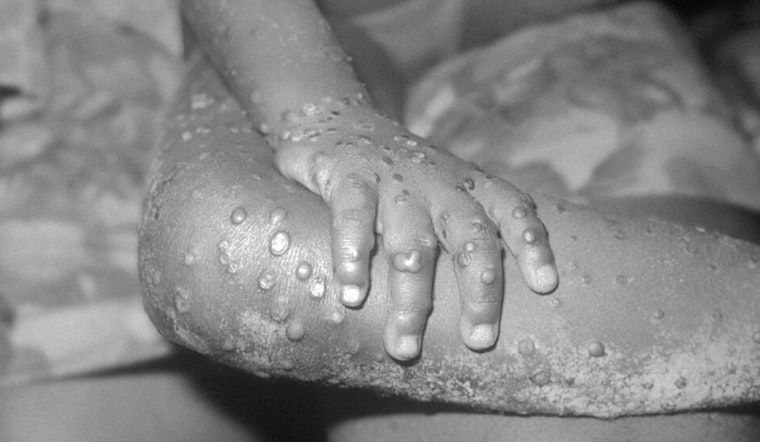
Mpox spreads primarily through close, often skin-to-skin contact, including intimate or sexual contact, and can also be transmitted by respiratory secretions or contaminated materials. Symptoms typically begin within three weeks and may include fever, swollen lymph nodes, and a rash that can develop into painful blisters or scabs, according to the World Health Organization.
Where To Get Help In El Paso
Anyone with symptoms or concerns is urged to contact their health care provider and avoid close contact with others while they seek testing. The city's mpox information page lists a public hotline at (915) 212-6520 for guidance. People eligible for vaccination can also call or visit local DSHS Region 9/10 clinics for appointments and vaccine information.
Public health officials say they will keep monitoring local cases and update guidance as needed, while urging at-risk residents to get vaccinated and report symptoms early. For now, the department recommends standard precautions: cover rashes, avoid skin-to-skin contact with unknown lesions, and keep up with hand hygiene as contact tracers work to keep mpox from gaining a foothold.





