

























































In a notable shift towards expanded healthcare access in Illinois, hundreds of new laws set to take effect in 2026 are poised to significantly change the landscape of insurance and healthcare in the state. Among the new laws, Senate Bill 2672 mandates insurance companies to cover brand-name medications when generics are unavailable. This legislation, along with others such as those covering yearly menopause health checks for women 45 and older, infertility treatments, colonoscopies, and gender-affirming care, signals a growing effort to ensure essential health services are within reach for Illinois residents. NBC Chicago reported these laws are set to be implemented starting January 1, 2026.
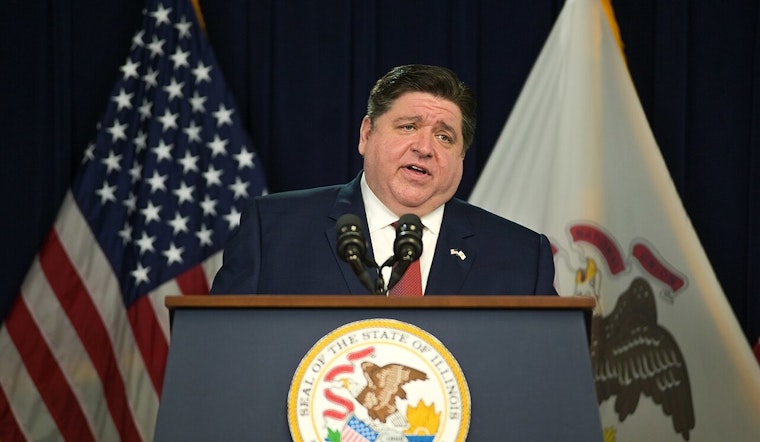
Furthermore, the state has moved to increase vaccine accessibility. Governor JB Pritzker has signed HB 767, a piece of legislation that looks to securely affirm and expand vaccine access. This bill enshrines protocols for transparency in vaccine guidance through the Illinois Department of Public Health's expert Immunization Advisory Committee. This measure aims to provide clear, dependable immunization guidelines as the Federal recommendation landscape becomes increasingly muddied. The Illinois Department of Public Health outlined the law's provisions, which include the ability for pharmacists to administer certain vaccines to children as young as three and ensure insurance companies are required to cover vaccines recommended by the Department of Public Health.
Governor Pritzker has not minced words on the matter, stating, "While RFK Jr. and his QAnon-inspired colleagues spread conspiracy theories and dangerous misinformation about vaccines, Illinois is stepping up to protect the health of our people." These remarks underscore the administration's commitment to science-based healthcare policy in the face of what they see as misinformation campaigns. Illinois is seemingly poised to rapidly distance itself from federal actions that may detract from public health objectives, aiming to maintain a steadfast course of evidence-based healthcare for its citizens.
The new laws also encompass a variety of measures outside traditional healthcare settings. For instance, starting January 1, 2026, hospitals will be required to disclose "facility fees" as part of the Health Care Facility Fee Transparency Act. This and other regulations, such as those covering out-of-network emergency care billing rates for children admitted to neonatal intensive care units, are aimed at enhancing billing transparency for patients. Alongside these developments, pharmacists in Illinois will soon be able to dispense contraceptives without a doctor's appointment, a move attributed largely to House Bill 3489. The objective is to significantly simplify the process of obtaining birth control, potentially reducing hurdles for Illinois residents seeking timely reproductive healthcare services.
These sweeping legislative changes come at a time when state-level healthcare policy is increasingly becoming a focal point for addressing gaps and inequalities in the system. As Illinois prepares to usher in these new laws, state officials appear determined to ensure that healthcare remains both accessible and rooted firmly in scientific guidance, setting a potential precedent for other states navigating similar challenges.





