

























































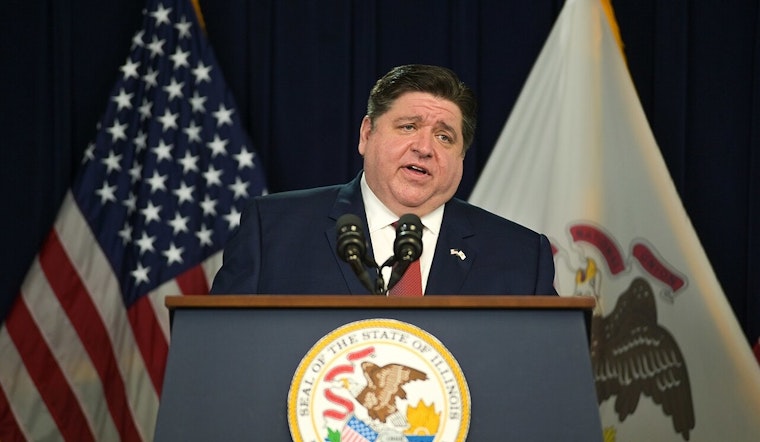
Gov. J.B. Pritzker has signed a new Illinois law that lets public officials pull their home addresses and other personal details out of public view if they decide it is making them a target. The measure sets up a formal process to strip that data from records, widens exemptions in the state public-records law, and adds a narrowly drawn criminal penalty for doxxing that leads to serious harm. Backers say it is a response to a surge in online threats that too often spill over into real-world confrontations with elected officials.
What The Law Does
The Public Official Safety and Privacy Act tells government agencies, businesses, and private individuals to stop posting a public official's personal information once that official submits a written request to keep it off the internet, according to the bill text on the Illinois General Assembly. That information is then exempt under the Freedom of Information Act.
The law covers current and former members of the General Assembly, constitutional officers, state's attorneys, public defenders, and certain election officials. It also lets those officials use work addresses, instead of home addresses, on official IDs and vehicle registrations.
Redactions, Timelines, And Security Funding
The law requires government entities, including the State Board of Elections, to scrub requested personal data from public websites within five business days, as reported by WTTW/Capitol News Illinois. Supporters say that quick turnaround is meant to shrink the window in which a home address or cellphone number can be copied, shared, and screenshotted all over the internet.
The measure also lets public officials dip into campaign funds to pay for personal security upgrades, a nod to the fact that for many of them, the job now follows them right up to their front doors.
Criminal Penalty For Dangerous Posts
Under the bill, knowingly posting a public official's personal information can become a Class 3 felony if two things are true: the person posting knows or reasonably should know that the disclosure creates an imminent threat to the official or an immediate family member, and the posting is the proximate cause of death or serious bodily injury. That is laid out in a summary of the enrolled bill on LegiScan.
The penalty is intentionally narrow. It is aimed at the rare situations where dropping an address or phone number online directly leads to someone getting seriously hurt.
Why Lawmakers Pushed It
Lawmakers backing the bill pointed to a drumbeat of threats, harassment and security scares involving public officials in Illinois and across the country. They argue that the political temperature has risen enough that what used to be heckling now looks a lot more like menace.
Erik Nisbet, a Northwestern political-communication professor, said that "tribalism and winner-take-all politics have increased over the last 5-10 years and can increase support for violence," a point highlighted in coverage of the signing by WGN-TV.
Local Incidents That Helped Spur The Change
Supporters also cited recent Illinois cases in which officials were targeted. One that got particular attention involved state Rep. Nicole La Ha, who received online threats earlier this year. A Homer Glen man was arrested in May and charged with threatening La Ha, according to court filings and local reporting detailed by The Herald-News (Shaw Local).
La Ha told WGN-TV she was "shocked" when the man was released and that she did not feel safe afterward. Lawmakers pointed to that kind of reaction as evidence that the old rules were not keeping up with the new reality.
How Enforcement And Requests Will Work
Under the new system, public officials file written requests with the agencies or entities that hold or publish their information. Once that request is received, the government agency or local election official has five business days to remove or redact the data, according to the bill text on the Illinois General Assembly.
If an agency ignores the request, the law lets affected officials ask a court for injunctive or declaratory relief to force compliance. Courts can also order violators to cover an official's costs and attorneys' fees. The measure amends several different statutes, including election and identification laws, to make it easier to keep home addresses off public paperwork in the first place.
What Comes Next
With Pritzker's signature, the proposal is now law, and state and local agencies will have to adjust their public records, websites and internal procedures as officials start filing redaction requests.
Open-government and free-speech advocates are expected to keep a close eye on how judges handle the inevitable court fights, especially when safety concerns collide with long-standing expectations of transparency around who is serving in public office and where they live.





