

























































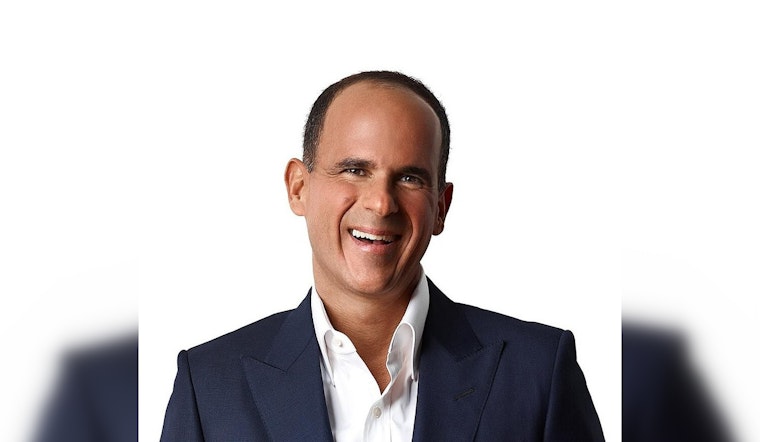
Marcus Lemonis, the entrepreneur who turned Camping World into the country’s largest RV retailer, is getting ready to hand over the keys. He plans to step away from day-to-day leadership at the end of next year, retiring as chief executive and chairman effective December 31, 2025. He will stay on as a co‑founder and special advisor, while longtime executive Matthew Wagner is set to take over as CEO on January 1, 2026.
The succession plan surfaced in a company news release distributed through Business Wire and in a regulatory filing. The announcement names Brent Moody as the incoming chairman and notes that Wagner will join the board as a Class I director when he assumes the chief executive role. Lemonis’s own statement, praising both the company and the orderly transition, was folded into the release.
Wall Street Reaction
Traders did not wait long to weigh in. After the news, Camping World shares were changing hands at around $10.50, a far cry from earlier highs and from the $22-per-share IPO price back in 2016. The stock’s slide tracks with recent volatility as the company wrestles with leverage and the ups and downs of RV demand, and analysts have been flagging near-term cash pressures. Investing.com highlighted the trading level and pointed to market-cap and cash-burn concerns.
Inside the Leadership Handoff
The company’s Form 8‑K filed with the SEC spells out how the transition will work and details the new employment agreements for both executives. According to the filing, Wagner’s contract runs through December 31, 2028, includes a grant of restricted stock units, and lays out severance protections designed to keep the leadership change on track. The document also confirms the board’s decision to separate the chairman and CEO positions, along with other governance changes. The SEC filing provides the full breakdown.
What Lemonis Will Keep
Lemonis has made it clear he is not cutting ties. He said he plans to remain a meaningful long‑term shareholder and an adviser to the business, and he signaled an interest in preserving his controlling influence, which Crain's Chicago Business described as clinging to a “golden share.” Crain’s reported that he made the comments during a Raymond James investor event and that the succession process has been in the works for several years.
Governance and Pay
The board signed off on governance tweaks meant to blend continuity with more traditional oversight. That includes an amendment to the company’s incentive plan that caps awards for the chairman under the plan. The 8‑K shows that the non‑executive chairman will receive an additional cash retainer and restricted stock units for 2026, while Wagner’s agreement lays out bonus targets, equity vesting schedules, and standard post‑employment restrictions. Those contract terms and plan changes are detailed in the SEC filing.
Local Footprint and What to Watch
Camping World’s headquarters in Lincolnshire means the leadership change is front-and-center for staff at the Chicago‑area offices, where Wagner will soon be steering operations and strategy. On the outside, investors and analysts will be watching to see whether the new team leans harder on recurring‑revenue businesses such as Good Sam to cushion the RV cycle and lift margins. The company’s dealmaking, including the Lazydays acquisition announced earlier this year, and its modest growth outlook are also key parts of the backdrop. Business Wire reported on the Lazydays closing, while local coverage in Crain's Chicago Business highlighted strategic priorities the company is expected to push.
Executives have lined up investor events and a webcast to walk shareholders through the succession blueprint. The first real tests of Wagner’s leadership will come with upcoming earnings reports and operational updates. Early signals to watch include efforts to trim leverage, steady used‑vehicle margins, and pull more recurring revenue from services as the new regime tries to set its course.





