

























































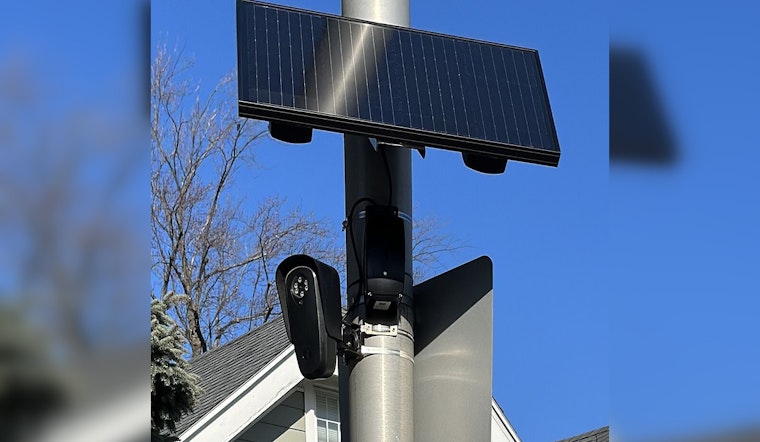
San Marcos city leaders have effectively pulled the plug on the city’s Flock Safety license-plate camera network after a 3-3 split at Tuesday’s City Council meeting. With one councilmember abstaining, the deadlock means the system will shut down at the end of the month instead of rolling into another year. City staff said the one-year renewal cannot move forward because the vendor had already been told the city would not extend the deal. The outcome capped months of often-heated debate over whether automated license plate readers provide enough investigative value to justify the privacy and legal risks.
Council deadlocks, contract set to lapse
According to The Austin Chronicle, the 3-3 split on Tuesday, with Councilmember Lorenzo Gonzalez abstaining, came after the city sent Flock a nonrenewal notice on Nov. 20. That notice blocked the city from using the optional one-year extension, which purchasing staff estimated would have cost roughly $43,000 to $46,000. City Manager Stephanie Reyes told the council she technically has the administrative authority to renew the agreement, but brought the question to the dais because of the intense public interest surrounding the cameras.
Police policy changes and camera counts
San Marcos first installed Flock cameras in 2022, starting with 14 devices, and staff later proposed adding 19 more this year before that expansion was rejected in June, as stated by The Austin Chronicle. Since then, the Police Department has revised its automated license plate reader policy. The city reports on its transparency page that five cameras have been deactivated, automatic sharing of plate data with outside agencies has been halted, and new audit requirements have been added. Outside agencies now must complete an ALPR data sharing and non-disclosure agreement before they can access the information, per the San Marcos Police Department.
Police say the technology helps investigations
San Marcos Police Chief Stan Standridge argued that tighter rules should not mean losing the cameras altogether. He told the council that Flock alerts helped investigators confirm a suspect license plate after an October homicide in the downtown area and said the system has generated leads in other cases, as reported by the San Marcos Record. Supporters at the meeting repeatedly pointed to that example, where a city camera captured an initial image of the vehicle, and the Flock system then helped confirm the plate number.
Regional and national backdrop
The San Marcos vote lands in the middle of a broader regional and national rethink of license plate readers. Nearby Hays County voted in October to terminate its Flock contract after months of discussion about privacy and oversight, Hays Free Press notes. At the national level, reporting has documented growing legal and policy scrutiny of Flock and other ALPR networks, including pauses in some federal cooperation while safeguards are reviewed, as detailed by the Associated Press.
Legal and privacy concerns
Those broader concerns helped shape the council’s decision. Opponents and some council members warned about potential legal exposure tied to Flock contracts. Councilmember Amanda Rodriguez pointed to roughly ten active lawsuits involving Flock agreements in other jurisdictions and argued that San Marcos should not take on that kind of risk, the San Marcos Record reports. City Attorney Sam Aguirre also told the council that data housed in the system could be subpoenaed or accessed if the vendor’s systems were compromised, a caution that weighed heavily in the debate.
What comes next for the city
Even as the Flock contract runs out, the council signaled it is not done with automated license plate readers altogether. Members directed staff to start looking for an alternate ALPR vendor and to first examine whether systems the city already uses for parking enforcement could be adapted, while expediting the procurement process where possible. The council and staff also agreed to keep a separate network of downtown traffic cameras in place for monitoring traffic and public safety. Those cameras do not read license plates and will remain active while the city sorts through replacement options.





