

























































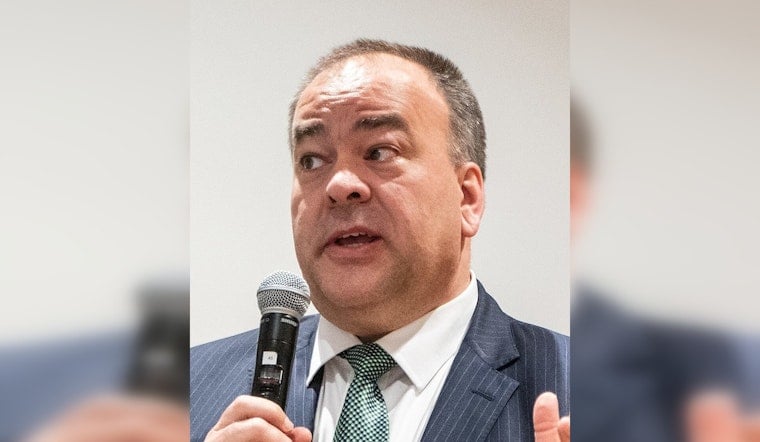
Dozens of West Garfield Park homeowners crammed into the basement of New Mt. Pilgrim Missionary Baptist Church on Monday, pressing Cook County Assessor Fritz Kaegi to explain this year’s eye-popping property tax bills. Many said their second installment notices had more than doubled, while others reported even sharper jumps, they say they simply cannot afford. The gathering felt part troubleshooting clinic, with staff checking paperwork, and part protest, as clergy and elected officials called for immediate relief.
Assessor’s Office Holds Workshops In Hard-Hit Neighborhoods
The West Garfield Park session was one of three workshops scheduled this week to help South and West Side homeowners hunt for missed exemptions and learn how to file appeals, according to the Cook County Assessor's Office. Staffers sat down with residents at folding tables, pulling up parcel records and checking eligibility for any savings. The outreach comes after nearly 1.8 million second installment tax bills were mailed across Cook County in mid-November.
Kaegi Points To Appeals And Downtown Cuts
Kaegi told the crowd that the county’s appeals system, along with deep reductions granted to large downtown commercial properties, has shifted more of the tax load onto neighborhood homeowners. “There is a system of appeals, where reductions are being made and pushed onto us,” he said, according to ABC7 Chicago. He urged residents to check that they are receiving all eligible exemptions and to file appeals where appropriate, while also arguing that broader policy changes will be needed to fix the underlying problem.
Numbers Behind The Spike
An analysis from the Cook County Treasurer’s Office found that the median residential tax bill in Chicago rose about 16.7% this year, but some neighborhoods were hit much harder. Predominantly Black communities on the South and West Sides saw the steepest climbs. West Garfield Park’s median homeowner bill jumped about 133%, North Lawndale’s about 99%, and Englewood’s more than 80%, according to WBEZ reporting on the treasurer’s analysis. County officials and advocates say a mix of rising residential values and falling downtown commercial valuations helped drive the shift.
Residents Say The Bills Are Unaffordable
Homeowners who lined up at the microphone did not mince words. “I’ve made no changes in my place. And yet, I’m caught with a 400% increase,” said Michael Strode. Another resident, Selestine Washington, told reporters she received a bill for $2,500, a snapshot of the sticker shock rippling through the room. Local leaders, including 28th Ward Ald. Jason Ervin and Rev. Marshall Hatch demanded that the West Side receive the same level of scrutiny and relief as wealthier neighborhoods, a push detailed by ABC7 Chicago.
Deadlines, Payment Plans, And Appeals
Second installment property tax bills are due Dec. 15. Homeowners who cannot pay in full will be able to use an online Payment Plan Calculator that the Treasurer’s Office says will go live on Dec. 16. The office notes that the plan can stretch payments over as many as 13 months, although interest will still accrue under state law. The Cook County Board of Review has also reopened 24 previously closed townships for limited appeals until Dec. 12, a move that could help some homeowners in future tax cycles but will not necessarily change the current second installment bills, according to the Chicago Sun-Times.
For now, many residents say the fixes they want are long-term ones, such as a cap or “circuit breaker” and fairer appeal outcomes, while officials are largely pointing to short-term tools and the existing appeals process. With deadlines looming, homeowners in West Garfield Park and across the South and West Sides are left to decide whether the modest relief on the table will be enough.





.jpg)