

























































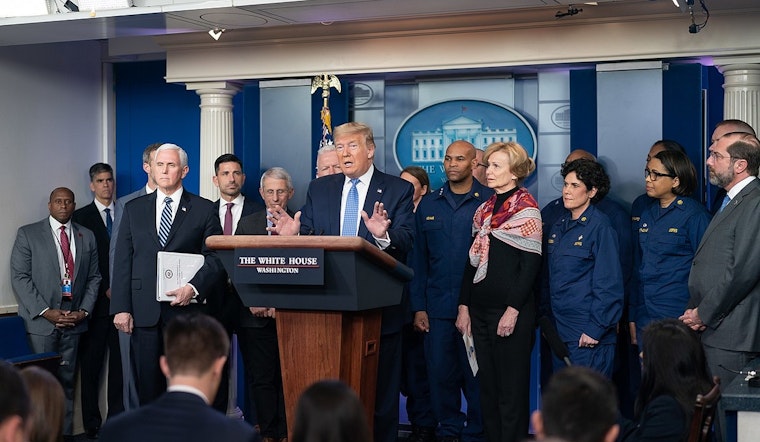
As the United States grapples with a persisting trade impasse, President Donald Trump has rolled out a tariff aid initiative aiming to soften the economic blow for farmers, although the assistance is considerably reduced compared to prior measures. This plan will dispense $11 billion to support row crop farmers, a figure markedly lower than the $23.1 billion supplied during the last major trade skirmish during Trump's first term in office.
According to a statement from the Illinois Department of Agriculture, this latest provision falls significantly short of what is required to mitigate the entrenched effects of tariffs on the agriculture sector. "Tariffs are crushing farmers again. Financial losses are worse this time around, yet the aid package is 50% smaller,” relayed Jerry Costello II, the IDOA Director. The U.S. Department of Agriculture's Economic Research Service estimates that the country's agricultural export losses amounted to over $27 billion from mid-2018 to late 2019 due to tariff disputes.
In the backdrop of this financial turbulence, the contention between the United States and China remains unresolved, with the details of a supposed agreement for China to purchase 12 million metric tons of soybeans this year still undisclosed. Despite USDA's confirmation that as of December 5, only 2.25 million tons have been secured by China—well shy of the target—the purchase deadline has been conveniently stretched to the end of February.
What undermines confidence in this arrangement, however, is China's previous inconsistencies regarding trade obligations. "The deadline extension is more smoke and mirrors,” Costello expressed in a sentiment that resonates among farmers. Even with a potential fulfillment of the soybean agreement, which analysts find unlikely, exports would scarcely reach figures tallied before the reignited trade strife. Moreover, in October, Reuters unveiled a probe by the US Trade Representative’s office into China's "apparent failure" to honor the "Phase One" trade deal inked with Trump in 2020, which was meant to draw a close to the preceding trade war.
The impact of these recurring aid packages extends beyond immediate monetary relief. Economists argue that such interventions warp crucial economic indicators within agriculture, influencing land values, cash rent agreements, and equipment investment decisions. This scenario leaves the sector in a state of flux, with strategic planning rooted in uncertainty rather than stability. While farmers find themselves entrenched in a new level of financial adversity, the search for sustainable solutions, as opposed to stopgap subsidies, remains as pressing as ever.





.jpg)