

























































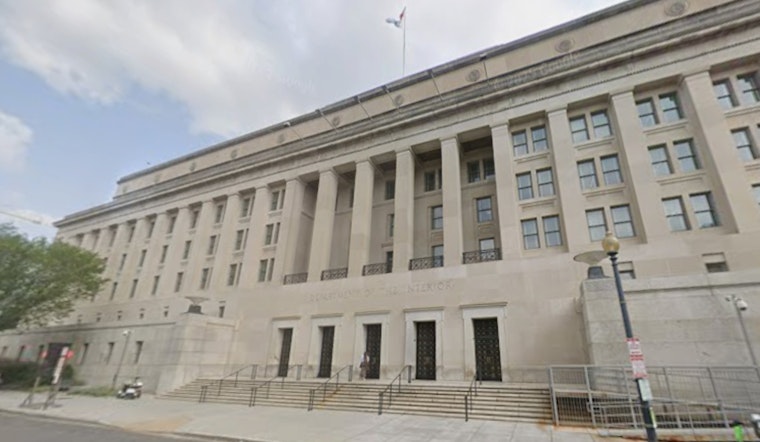
In a move that's sent ripples through the clean energy community, the Trump Administration has called a halt to all large-scale offshore wind project leases, as the Department of the Interior announced a sudden pause, linking its concerns to potential national security threats. Citing details from a release provided by the Department of the Interior, the pause was immediately effectuated following reports from the Department of War that flagged unspecified risks linked to these energy ventures.
Secretary of the Interior Doug Burgum was reported to have said, "The prime duty of the United States government is to protect the American people." In a statement obtained by the Department of the Interior, Burgum explained, "Today’s action addresses emerging national security risks, including the rapid evolution of the relevant adversary technologies, and the vulnerabilities created by large-scale offshore wind projects with proximity near our east coast population centers."
Particularly, this halt affects known projects such as Vineyard Wind 1, Revolution Wind, CVOW – Commercial, Sunrise Wind, and Empire Wind 1, among others. These projects were spearheading the United States' foray into harnessing wind power off the coast—seen by many as a clean alternative to fossil fuels and an opportunity to step up in the fight against climate change. The necessity of this pause is backed by security issues, where the construction and operation of these turbines are said to cause radar interference—the tall structures and movement of the blades creating a problematic phenomenon known as "clutter."
The Department of Energy, in their 2024 report, highlighted that while some radar interference could be mitigated by adjusting the threshold for false alarm detection, this could lead to radars missing actual targets as a result. Having quoted directly from the Department of Energy report, the Trump administration's latest action echoes a desire to ensure that "national security risks posed by offshore wind projects are appropriately addressed and that the United States government retains its ability to effectively defend the American people," as sreported by the U.S. Department of the Interior.





