

























































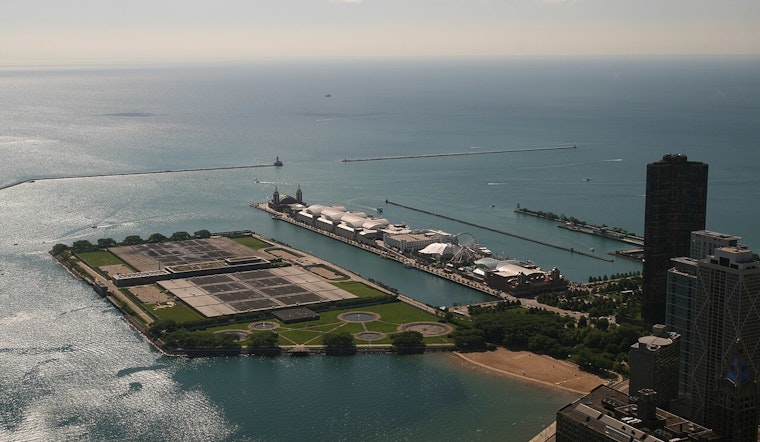
President Trump's proposed fiscal 2026 budget would gut federal operations funding for the Chicago Harbor Lock, threatening the 24/7 schedule at one of the country’s busiest waterway chokepoints. The White House plan would drop next year's operating money to under $300,000, even though the U.S. Army Corps of Engineers asked for about $3.85 million to keep the lock fully staffed and maintained. Tour-boat operators, commercial users, and union leaders warn that the cut could mean shorter hours and more reactive, last‑minute repairs instead of steady preventive maintenance.
Budget proposal would cut millions
As reported by the Chicago Tribune, the president's FY2026 outline would allocate less than $300,000 for lock operations, compared with the Army Corps' request of about $3.85 million and this year's operating level of roughly $3.83 million. That gap, more than $3.5 million, would leave the Corps scrambling to cover routine staffing costs and scheduled upkeep.
Why the lock matters every day
The U.S. Army Corps of Engineers runs the Chicago Harbor Lock around the clock, linking the Chicago River and Lake Michigan and moving commercial barges, government vessels, tour boats, and private craft through the downtown corridor. The lock chamber is roughly 600 feet by 80 feet and is counted among the nation’s busiest, cycling thousands of times a year and handling tens of thousands of vessel trips, according to the U.S. Army Corps of Engineers.
Officials warn of restricted hours and deferred maintenance
Corps officials told the Tribune they plan to shift money around by pausing an electrical rehabilitation project and drawing on leftover operating funds to cover part of the FY26 gap, but they describe that as a short-term patch, not a fix. Local users say the warning lights are already flashing. Harbor stakeholder Mike McElroy cautioned that “if they didn’t get it this year, odds are they’re not going to get it next year,” and a union representative said it was “impossible for us not to see the pattern” in recent funding trims.
Where the money is decided
Harbor operations funding is set through Congress’ energy and water appropriations process. Earlier this fall, the House passed H.R. 4553, the Energy and Water appropriations bill, on a 214–213 vote. How that bill is reconciled with the Senate version and the president’s final spending priorities will determine whether the Chicago Harbor Lock gets anything close to the operations budget the Corps requested. LegiScan details the House vote and current status of H.R. 4553.
Chicago lawmakers push back
Illinois lawmakers are already trying to hold the line. Sen. Dick Durbin’s office has listed Chicago Harbor as a priority in recent appropriations talks and said he backs full operations funding for the lock as Congress hammers out final numbers. Sen. Durbin's office has urged that the necessary dollars for Chicago Harbor operations be maintained.
Short-term fixes won't erase long-term risk
The Corps says repurposing construction funds and tapping leftover operating dollars can keep the lock open and staffed for now, but its own project documents and engineers note that deferred maintenance tends to snowball, driving up long-term costs and raising the risk of surprise outages. Local tour companies, commercial shippers and port stakeholders say they are watching the Senate and any final appropriations language closely, looking for a stable operations baseline rather than a string of temporary patches, according to the U.S. Army Corps of Engineers.
For now, the lock remains open and staffed. The immediate question is whether Congress will move quickly enough to shore up long-term operations funding, or whether downtown Chicago’s river traffic will be squeezed into narrower time windows and saddled with the higher costs that come with emergency repairs.





