

























































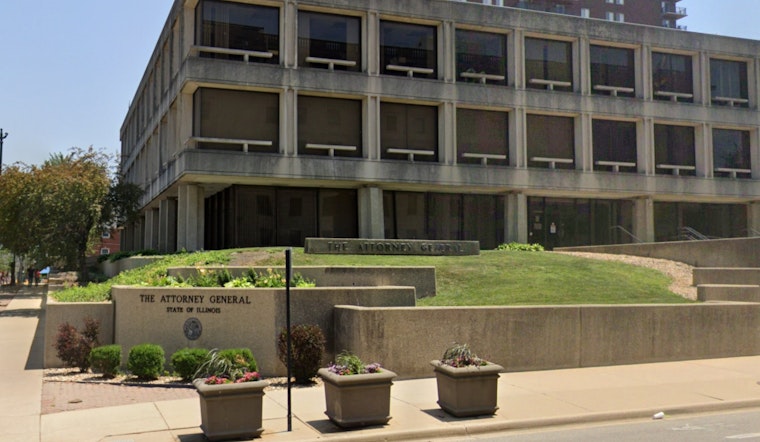
In a recent legal stand against the Trump administration's bid to slash funding for medical research, Attorney General Kwame Raoul has garnered praises, as an appellate court ruling slammed the brakes on such austerity measures, effectively ensuring that Illinois, along with research institutions nationwide, can maintain the financial lifeline necessary for cutting-edge health studies. Citing the permanence of the injunction, this decision by the U.S. Court of Appeals for the 1st Circuit echoes the sentiments of a collaborative lawsuit helmed by Raoul, which emphatically maintained that indirect costs covered by this funding—such as lab maintenance and data processing—are integral to the continued innovation in medical research.
The victory at the appellate court is not just a show of judicial muscle but a crucial safeguard for the biomedicine field; it keeps afloat various research projects, touching lives across the state—from the University of Illinois System, which stands to secure around $67 million annually, to the Southern Illinois University System, benefitting from a sizeable $4.5 million each year, these funds fuel research into pivotal areas including cancer, Alzheimer’s, Parkinson’s, and diabetes, which affect millions of lives and have vast implications on public health. Raoul, basing his defense on the illegality of the cuts, was quick to join forces with fellow AGs from 22 states, filing a lawsuit against the DHHS and NIH, their collaborative effort yielded near-immediate results when in February 2025, a district judge ordered a temporary halt to the Trump administration's funding cuts, leading us to the now-affirmed injunction.
It's no trivial matter that the NIH stands as the primary benefactor for medical research in the U.S., having been a part of groundbreaking discoveries like DNA sequencing and MRI development, and even contributing to the Nobel Prize-winning work of several scientists, as reported by the Office of the Illinois Attorney General. The ripple effect of NIH funding cuts would have been substantial, potentially halting the progress of vital healthcare discoveries, a scenario that this court decision has now, thankfully, averted.
Raoul, spearheading the justice charge alongside Massachusetts Attorney General Andrea Campbell and Michigan Attorney General Dana Nessel, did not stand alone in this battle; a coalition of his compatriots, including the attorneys general of Arizona, California, Connecticut, and many others, presented a united front against the proposed cuts that endangered the landscape of public health initiatives, stressing the necessity of consistent support for institutions that have for long been the backbone of America's medical innovation. Their collaborative efforts which saw swift and decisive action, speaks volumes, sending a clear message: when it comes to protecting health research, America's legal guardians are prepared to lock horns with any administration that attempts to put a damper on progress that could save lives and enhance the wellbeing of the populace.





