

























































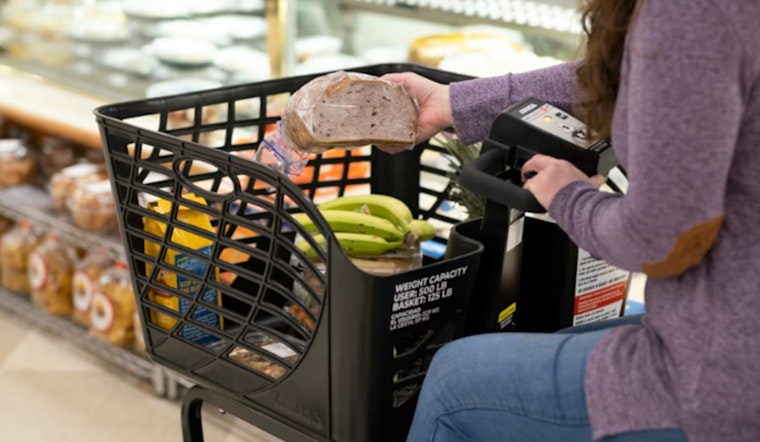
As grocery bills keep creeping up, one Arizona lawmaker wants to yank a key line item off many receipts: local taxes on basic food. State Rep. Leo Biasiucci has introduced a bill that would ban cities and towns from charging local sales tax on food items eligible for SNAP and WIC. Supporters say the move could ease some pressure on household budgets. City leaders counter that it could blow a hole in municipal finances, especially in smaller communities that lean heavily on sales tax revenue. The measure was filed this week as national grocery costs continue to rise.
The proposal, filed as HB 2839, would bar cities and towns from levying transaction-privilege taxes on food items that qualify for SNAP and WIC, and it would apply to all shoppers, not just benefit recipients. The bill lists Rep. Leo Biasiucci as the primary sponsor and shows dozens of co-sponsors on its tracking pages, according to LegiScan.
Those timing concerns are not happening in a vacuum. The U.S. Bureau of Labor Statistics’ December Consumer Price Index shows grocery prices rose 0.7% from November to December, the sharpest monthly jump in more than three years, and food-at-home prices were about 2.4% higher than a year earlier, according to the Bureau of Labor Statistics. Economists and national outlets have flagged rising food costs as a growing political headache as lawmakers look for ways to respond.
How the Bill Would Work
Under HB 2839, municipalities would be blocked from taxing groceries that qualify for federal nutrition programs, even when those items are bought by people who are not enrolled in SNAP or WIC. In practice, those groceries would become tax free statewide. Biasiucci told reporters the goal is to make everyday staples more affordable for families who do not qualify for SNAP or WIC, saying, “Look, these are the foods that we're trying to get on people's plates when they're struggling,” as reported by ABC15. That same reporting notes that larger cities such as Phoenix and Tucson do not currently tax groceries, while some Valley cities, including Scottsdale and Tempe, do.
Budget Hit for Cities
Municipal officials say the plan could leave sizable gaps in local budgets. A fiscal note reviewed by Arizona Capitol Times estimated that municipal sales-tax receipts could fall by roughly $227 million if a similar measure takes effect. Governor Katie Hobbs vetoed an earlier, broader version of the ban in 2023 after mayors warned of cuts to essential services; that veto and her explanation were detailed by FOX 10 Phoenix.
Both supporters and critics agree on at least one point: any measure that reduces grocery taxes will shift costs onto other revenue sources or force service cuts. Voters in November may already face a related question that would cap local grocery levies and require voter approval for increases, according to ABC15. Hoodline ran a local write-up of Biasiucci’s filing yesterday; see local breakdown of Biasiucci’s bill for the original story and links to the legislative text.
HB 2839 has been introduced and will be referred to committee this session. Supporters frame it as a quick way to blunt rising food costs, while opponents warn of deeper budget consequences for cities and towns. Track the bill’s status and full text at the Arizona Legislature. We will monitor hearings and any companion measures as the session moves forward.





