

























































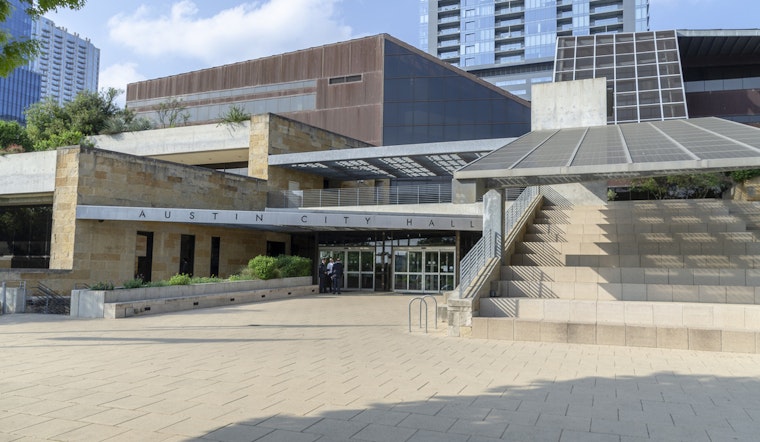
Austin’s political brain trust is back at the whiteboard, running the numbers on whether to ask voters for a multipurpose bond this November or wait for a leaner 2026 package. On the table: a multi-hundred-million-dollar proposal, the risk of another off-cycle election, and how much tax pain voters are actually willing to tolerate after the sting of Proposition Q’s defeat. Mayor Kirk Watson is pushing a formal “decision tree” to force a public, step-by-step framework for those choices so council members and residents can see the trade-offs in plain view.
Behind the scenes, city staff and the resident-led Bond Election Advisory Task Force are assembling project lists and a schedule that could put a full multipurpose bond on the ballot next fall, according to the City of Austin. Austin has not put a comprehensive bond package in front of voters since 2018, when they approved $925 million for affordable housing, parks, water-quality work, and other projects. Staff and task force members are now trying to line up project readiness with a spending plan that a skeptical electorate might still say yes to.
Decision tree is meant to force threshold questions
In a post on the City Council message board, Mayor Watson’s chief of staff, Colleen Pate, laid out a proposed Bond Program Decision Framework and attached a one-page checklist meant to guide council deliberations. “It organizes the thoughts and questions we should be asking as a Council about the items being considered,” Pate wrote, describing the checklist as a way to spell out the financial, delivery, and affordability thresholds that any proposed bond election should meet. The decision tree document is publicly posted along with the council note for committee review, giving residents a peek at how the council might rule ideas in or out.
All of this is happening against a new political backdrop. In November, voters decisively rejected Proposition Q, a city-backed property-tax increase, a result that signaled tougher headwinds for big tax or bond requests. That loss has sharply changed how council members talk about both the timing and the size of any future ballot question. Local reporting showed roughly 63% of voters said no to the tax increase, according to KUT.
The options and the numbers
So what are the options on the menu? Council and staff have floated several: a 2026 bond capped at a staff-recommended $750 million, a smaller package sooner that would be followed by a larger comprehensive vote later, a delay until 2028, or a bigger swing at a $1 billion bond. Each pathway lands differently on tax bills.
City projections show that the owner of a median-valued home pays roughly $450 this fiscal year in city debt-service taxes, and that number could climb to about $615 by 2030, even with no new bonds. If voters approved a $500 million package, the 2030 figure would rise to around $686. A $1 billion package would push it close to $760, as reported by Community Impact. Those scenarios explain why some council members are talking up a tighter, clearly targeted proposal instead of an all-in, everything-and-the-kitchen-sink bond.
Timeline and next steps
Council members got a fresh look at the city’s debt capacity and the impact on residents at the Audit and Finance Committee meeting on Jan. 14, where staff presented a short checklist of conditions the committee will use to judge whether a bond election is appropriate. The Bond Election Advisory Task Force and its working groups will keep refining project lists through the spring. Under the city’s bond development timeline, the task force’s recommendations and staff proposals would reach the full council in time to finalize ballot language this summer. For the official schedule, see the materials in the City committee memo and on the City of Austin bond development page.
What to watch
Key questions now: Does council set a hard cap, and can staff prove that previously authorized bond dollars are being spent quickly enough to clear room for new projects? If Watson’s decision tree and checklist become standard practice, council members will be able to point to a public rubric when they make the final call, and voters will get clearer answers on what a yes or no vote actually buys them.




