

























































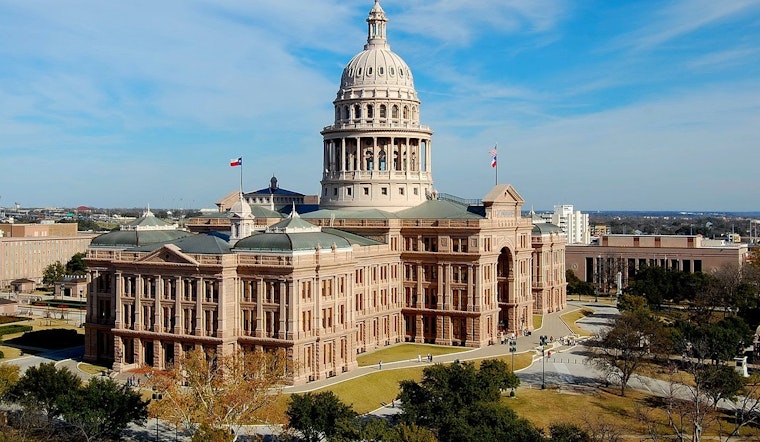
The Texas State Board of Education on Thursday signed off on a controversial set of "core ideas" that will guide a sweeping rewrite of K-12 social studies standards, pushing the overhaul into its next, more granular phase. The move came over sharp objections in Austin from teachers, students, and community members who argued the plan leans too hard on a "Texas-first" storyline and Christian-focused texts. With the blueprint now officially approved, the fight over what Texas kids must learn is shifting from big-picture policy to the fine print of classroom content.
Board approves core ideas, sends work to writing teams
After an hours-long work session that stretched past Wednesday night, the State Board of Education voted 8-5 on Thursday to adopt the list of core ideas that will anchor new social studies TEKS. That vote hands the package to appointed working groups, which are now tasked with turning those concepts into detailed standards and classroom expectations. According to FOX 7 Austin, the decision moves the overhaul into the next procedural step in the state's standards-setting process.
Timeline and next steps
Under the SBOE's standard playbook, the working groups will use the newly approved core ideas to draft updated standards the board is aiming to take up for final adoption at its June meeting. The State Board of Education details the TEKS adoption process on its website, and reporting from The Texas Tribune notes the agency expects new standards and any related statewide reading list to roll into classrooms starting in 2030. Once draft language is posted, the board will again open the floor to public comment before taking any final vote.
Reading list raises red flags
Running alongside the standards debate is a proposed Texas Education Agency statewide reading list tied to the overhaul. The list would recommend nearly 300 works for K-12 consideration and includes 11 selections drawn directly from Christian scripture, plus three Bible-inspired retellings from the state's Bluebonnet Learning materials. Teachers and several board members warned that the mix - and sheer volume - of required texts could crowd out titles educators have relied on for years and strain already packed syllabi. Concerned about both the size and the religious tilt of the proposal, the board put off a final decision on the reading list until April so members could narrow and revisit the recommendations, as reported by FOX 7 Austin.
Public reaction: Students and teachers push back
Public testimony in Austin was pointed. Current and former educators, along with students, argued that the core ideas encourage a Texas-centric narrative that downplays global context and leaves Native American histories underrepresented. One eighth-grader warned that the recommendations would "limit students' understanding of the world," while teachers said the required reading list would be unrealistic to cover in actual school schedules, according to The Texas Tribune. The pushback highlights a broader tug-of-war over who gets to define "essential knowledge" for millions of Texas students.
Legal and political stakes
Civil-liberties advocates say the inclusion of explicit Bible readings raises familiar Establishment Clause questions about the separation of church and state. Groups such as the Texas Freedom Network have blasted the board's choice of advisers as driven more by politics than pedagogy. Observers have also pointed out that Texas Attorney General Ken Paxton has taken positions suggesting the board has room to incorporate religious literature into lessons, a stance local coverage notes could shape how far the SBOE is willing to go. Those legal and political crosscurrents will likely influence how aggressively districts implement any new rules and how potential challengers frame their arguments in court.
What to watch next
The board is set to return in April to continue the reading list fight, while working groups race to publish draft TEKS before the June meeting, where final adoption is on the table. Officials say that if the current timeline stays intact, classroom implementation would start in 2030. For the latest drafts, formal agendas, and the official "Summary of Actions," keep an eye on the meeting materials posted on the State Board of Education website as the process moves forward.





