

























































The Sierra Club is taking the Trump administration to federal court in the Northern District of California, accusing the Department of the Interior of stonewalling records about a far-reaching review of how national parks tell American history. At the heart of the lawsuit are Freedom of Information Act requests the group says were ignored or only partly answered, even as a controversial program urged visitors and staff to flag exhibits seen as too "negative" about the nation’s past.
According to SFGATE, the Sierra Club submitted FOIA requests on July 31 seeking a paper trail for the initiative. The group asked for copies of public comments submitted through QR codes, any internal criteria for labeling exhibits "inappropriate," and records showing which signs, webpages or other materials were altered, removed or replaced. The requests also sought behind-the-scenes communications on Signal, Slack, X and WhatsApp that might show how the policy was rolled out and debated inside the agency.
Secretarial Order and the QR Code Review
The records the Sierra Club wants trace back to Secretarial Order 3431, which implements President Trump’s "Restoring Truth and Sanity to American History" executive order. That directive tells land-management bureaus to post signs and QR codes inviting visitors to report contents that "inappropriately disparage Americans past or living," according to the Bureau of Land Management’s implementation guidance. BLM’s online materials state that those public submissions may themselves be subject to FOIA and that agencies will collect the feedback as part of a broader 250th-anniversary review.
What the Lawsuit Seeks
The Sierra Club’s complaint argues that Interior blew past FOIA’s deadlines and provided only a patchwork response. So far, the group says it has received documents from the Bureau of Reclamation and BLM, but nothing from the National Park Service, Fish and Wildlife Service, Bureau of Indian Affairs or the Office of the Secretary, as reported by SFGATE. “Interior has a legal obligation to disclose records about its efforts to whitewash history on public lands, yet it continues to delay and withhold information,” Sierra Club senior attorney Andrea Issod said.
Examples on the Ground
Some of the on-the-ground changes are already visible. At Muir Woods, staff first annotated and then removed panels that had been installed to widen the park’s historical lens, according to a local report. KQED reported that the 2021 “History Under Construction” exhibit was altered after the directive took effect.
Other parks have seen similar edits. Acadia National Park pulled educational signage about climate change and Indigenous stewardship, Maine Public found, while conservation groups warn that exhibits on slavery, Japanese incarceration and related topics could be next on the chopping block, a concern the National Parks Conservation Association has emphasized.
Legal Implications
Under the Freedom of Information Act, federal agencies generally have 20 working days to make an initial determination on a records request, with limited room to extend the clock in unusual situations. If they fail to provide records or a lawful justification for withholding them, requesters can sue, asking a judge to order disclosure and review the agency’s decisions. The Department of Justice’s Office of Information Policy has compiled court decisions and guidance that explain how FOIA’s exhaustion rules and other procedures work in practice, as outlined by DOJ OIP.
Why Bay Area Readers Should Care
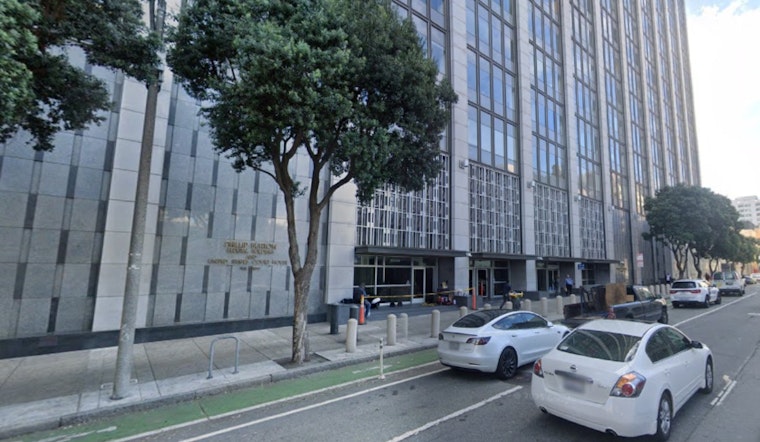
This fight is not an abstract D.C. paperwork battle. It is playing out in a San Francisco courtroom and in nearby forests where Bay Area residents hike and work. Local parks, staff and visitors have already felt the ripple effects of the order, and the lawsuit asks a federal judge here to force Interior to cough up the internal emails, chats and QR code feedback that shaped those changes.
If the Sierra Club wins, the records could show who decided what to remove, how public complaints were used and whether a nationwide directive quietly erased difficult history from the very places that are supposed to tell it.



